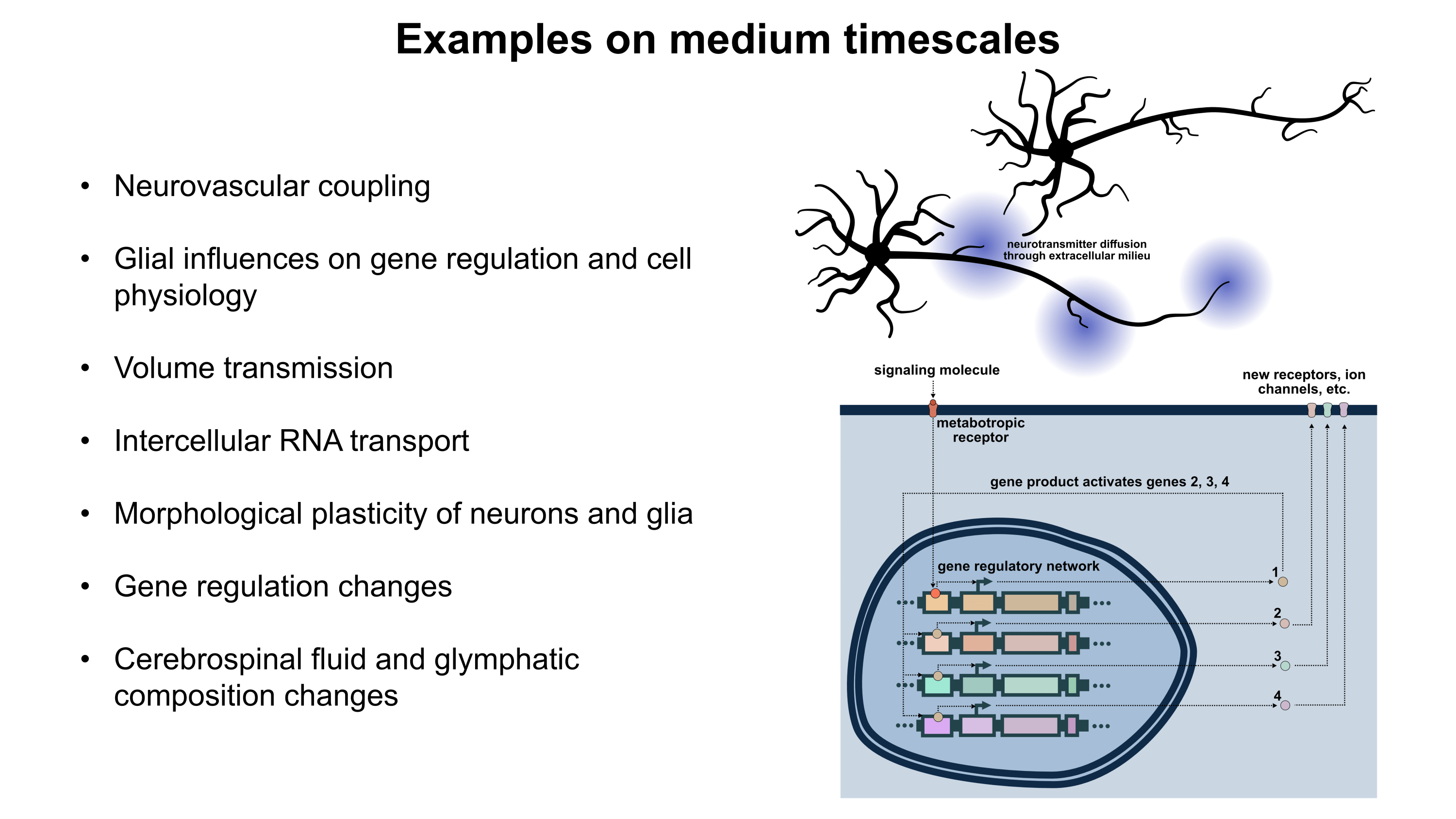
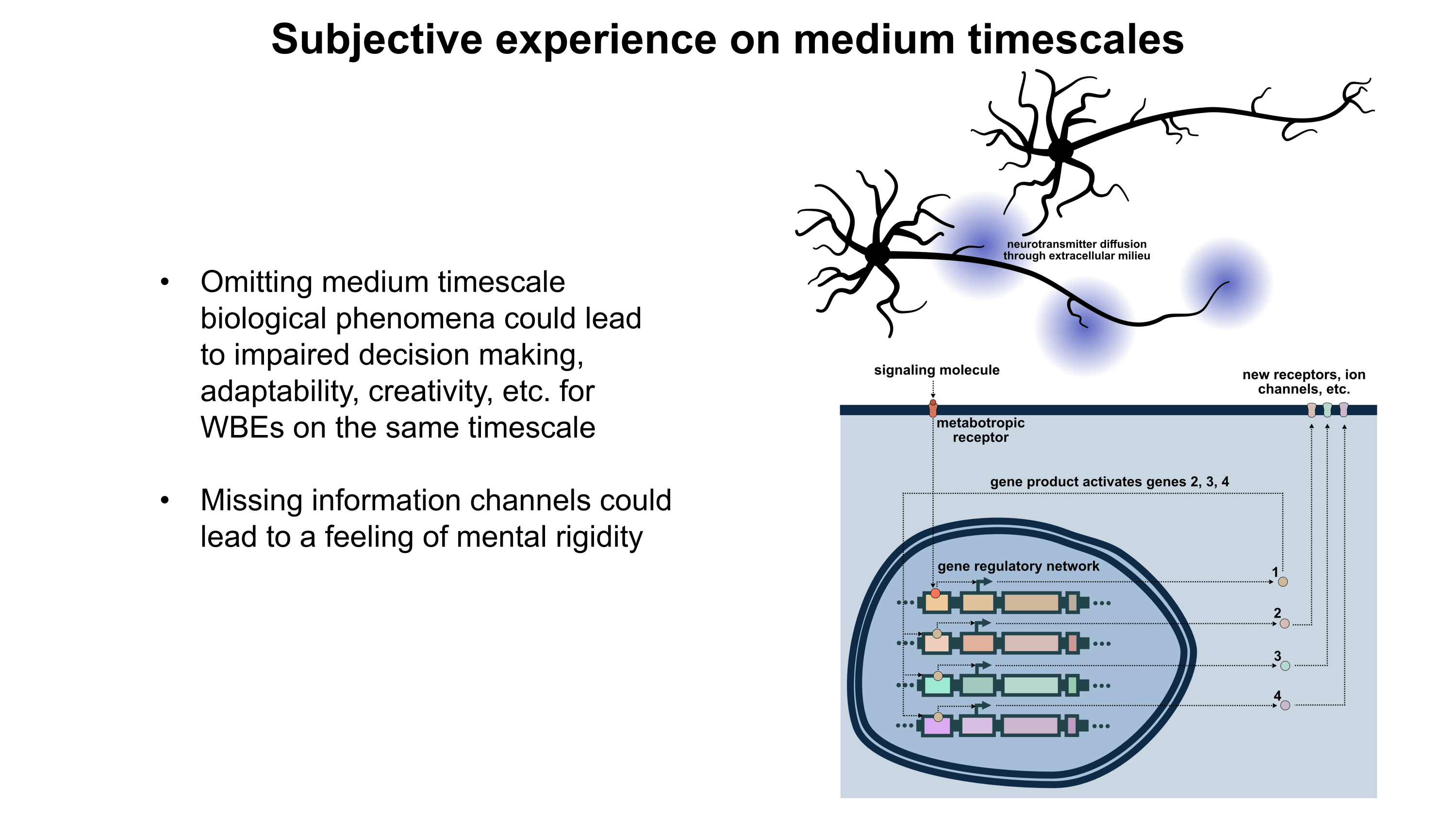
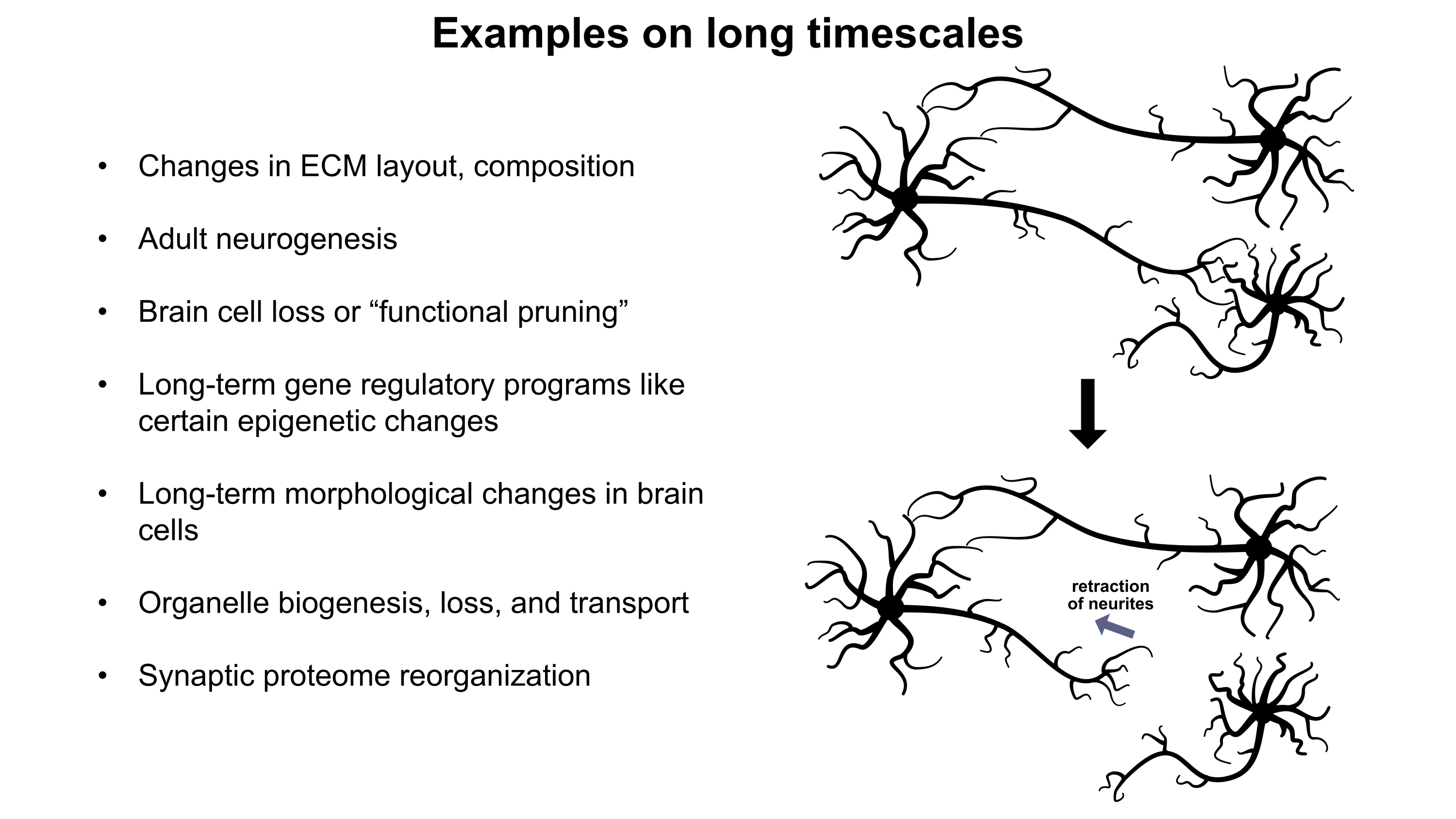
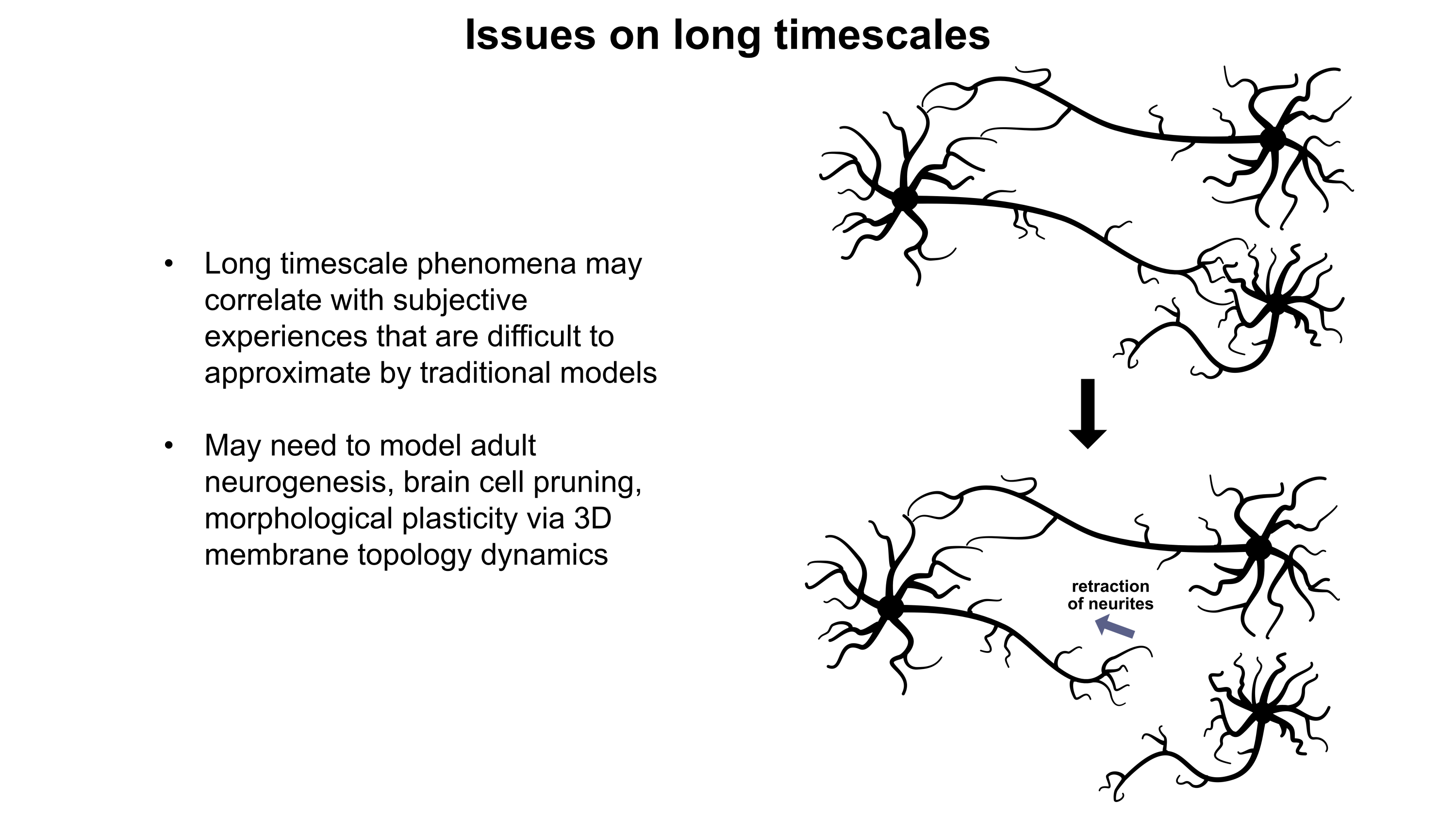
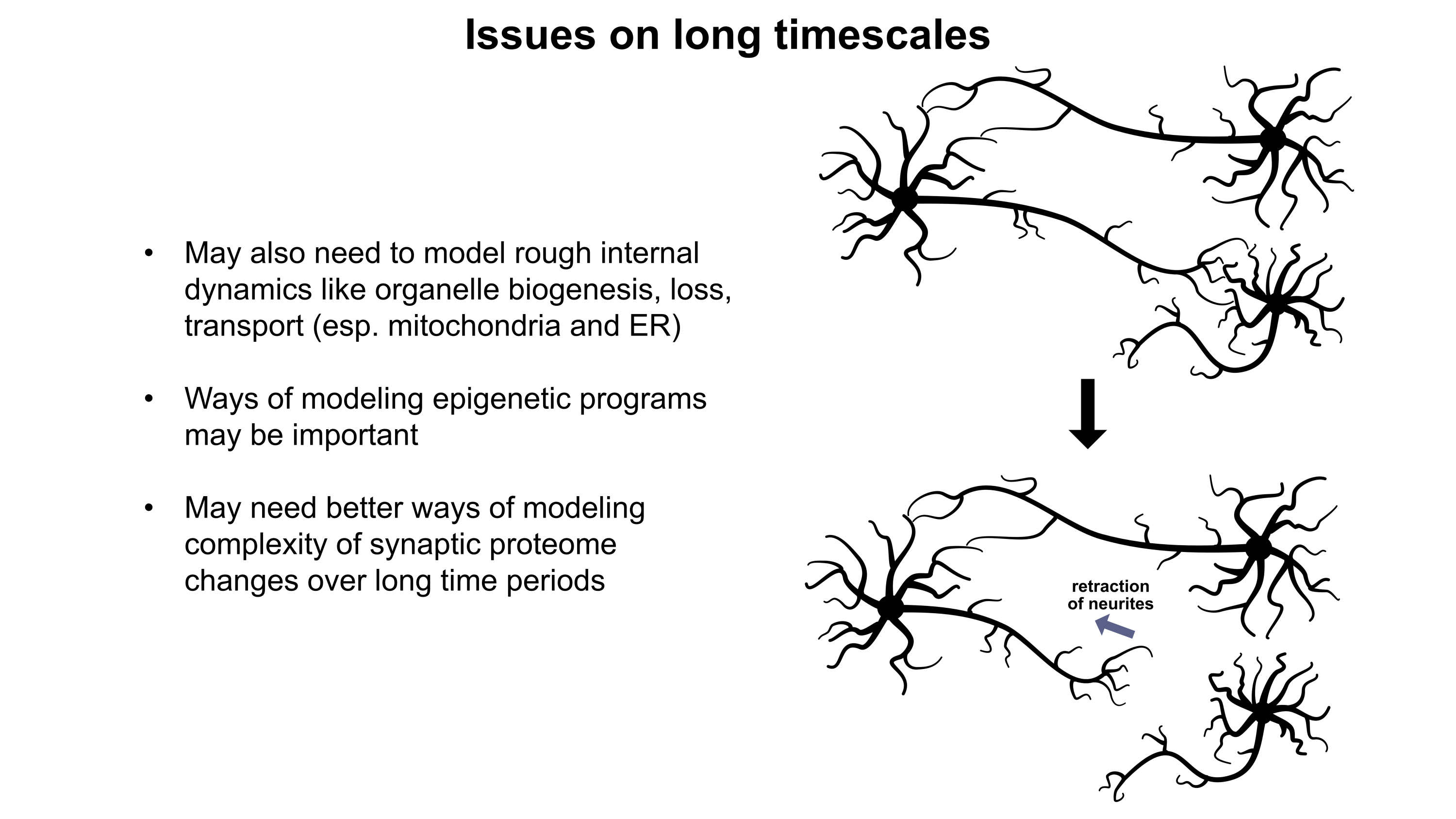
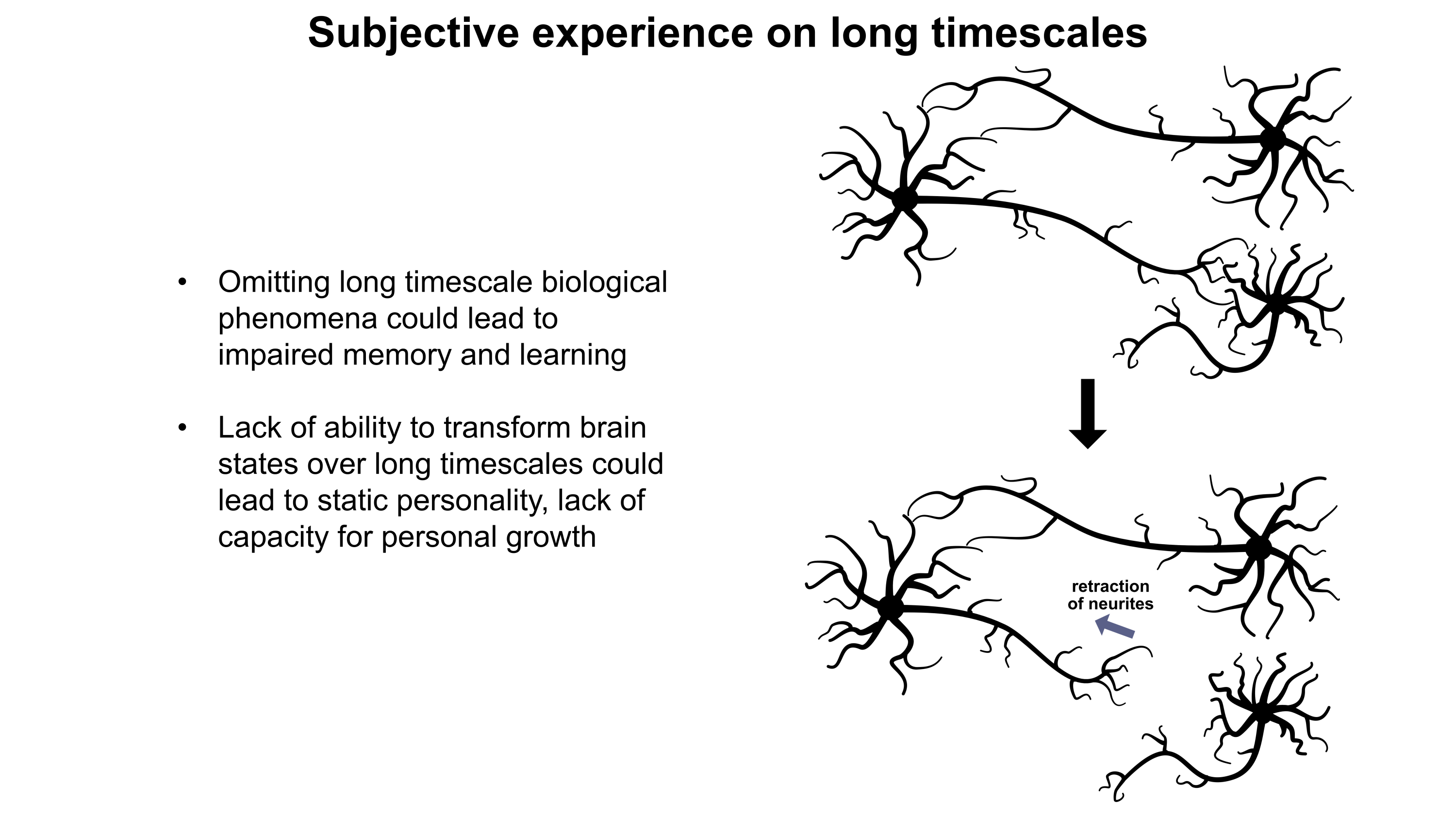
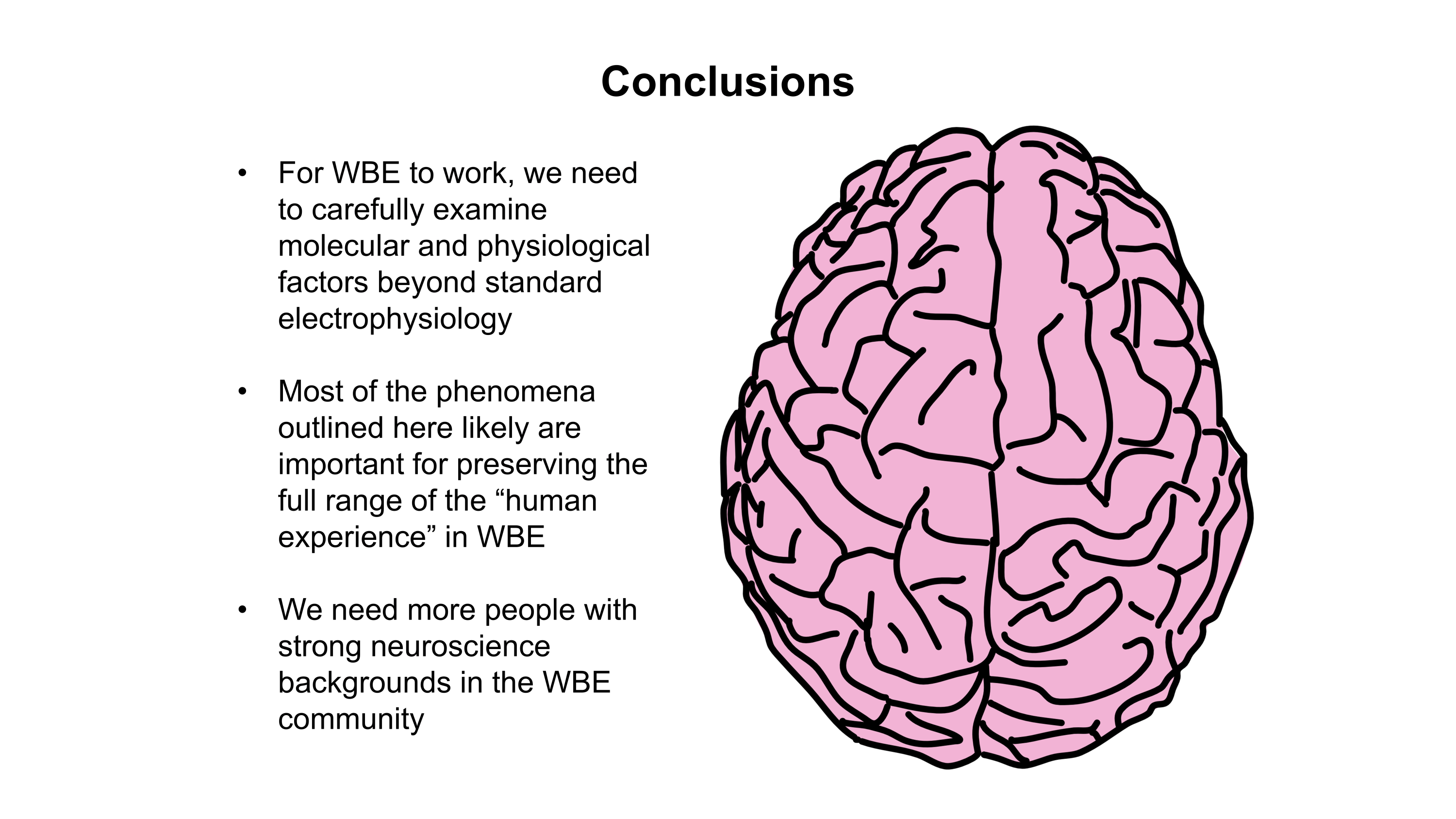
I presented these slides (PDF and images below) during the Workshop on Philosophy and Ethics of Brain Emulation (January 28th-29th, 2025) at the Mimir Center for Long Term Futures Research in Stockholm, Sweden. In my talk, I explored how various biological phenomena beyond standard neuronal electrophysiology may exert noticeable effects on the computations underlying subjective experiences. I emphasized the importance of the large range of timescales that such phenomena operate over (milliseconds to years). If we are to create emulations which think and feel like human beings, we must carefully consider the numerous tunable regulatory mechanisms the brain uses to enhance the complexity of its computational repertoire. At the workshop, we also discussed how the peripheral nervous system, enteric nervous system, endocrine system, musculoskeletal system, sensory systems, and perhaps even immune system may or may not play roles in subjective experience. To better understand what is needed to support proper emulations, I recommend recruitment of more fundamental neurobiology specialists to the whole-brain emulation community.



PDF: Reexamining the neurobiological correlates of subjective experience for whole-brain emulation
My abstract:
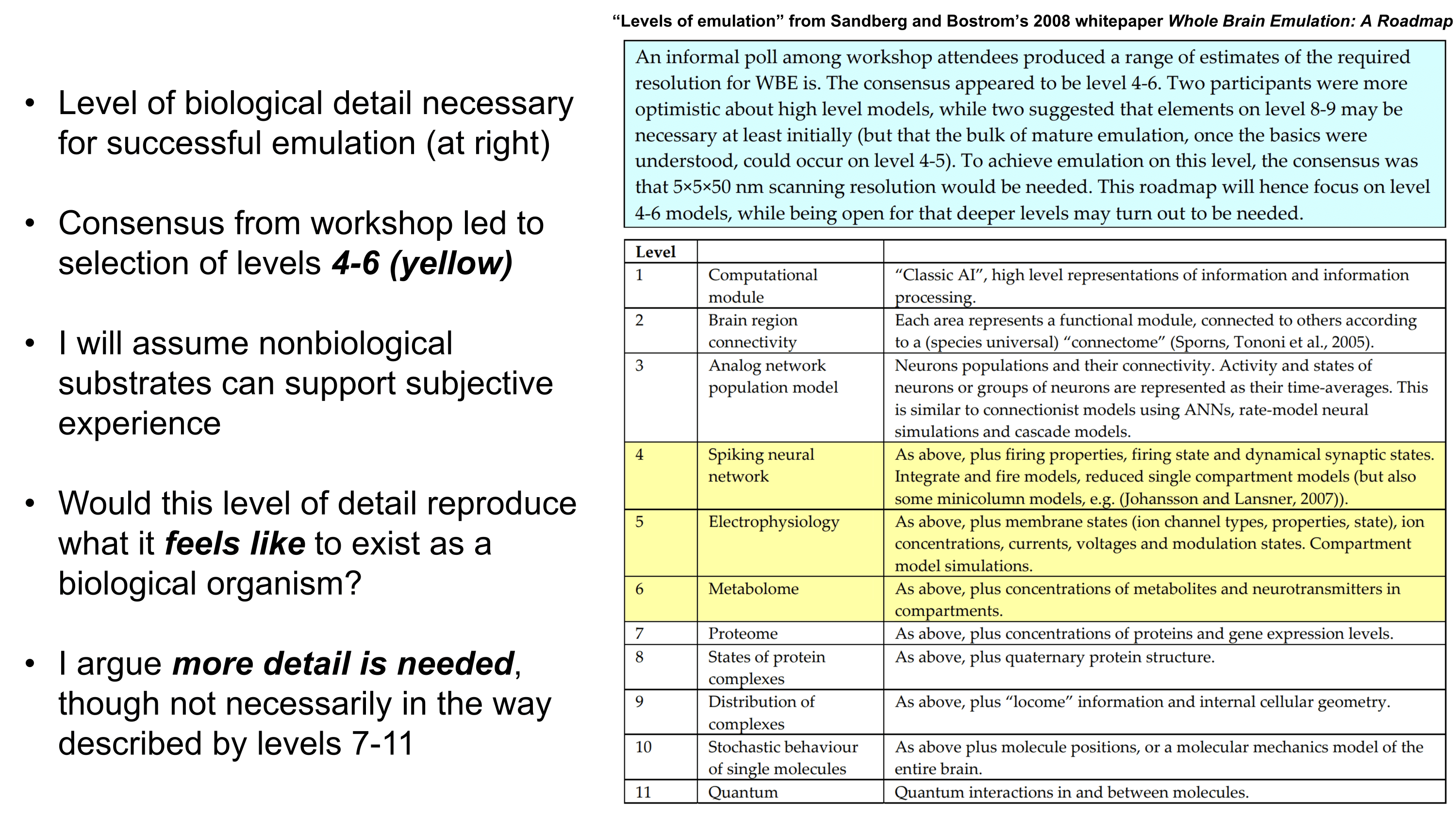
How much biological detail must a whole-brain emulation (WBE) incorporate to accurately preserve human subjective experience such that living as a WBE would truly feel like existing as a human? I ask this question independently of whether a nonbiological substrate can support subjective experience. Sandberg and Bostrom’s whitepaper Whole Brain Emulation: A Roadmap, briefly explores how levels of emulation detail ranging from abstract brain modules to quantum interactions between molecules may influence success criteria. They estimate that the necessary detail may at most involve an emulation of a connectome with multicompartmental models of neurons, dynamical synaptic states, and concentrations of metabolites and neurotransmitters in each compartment. For simplicity, I will refer to this as a multicompartmental emulation.
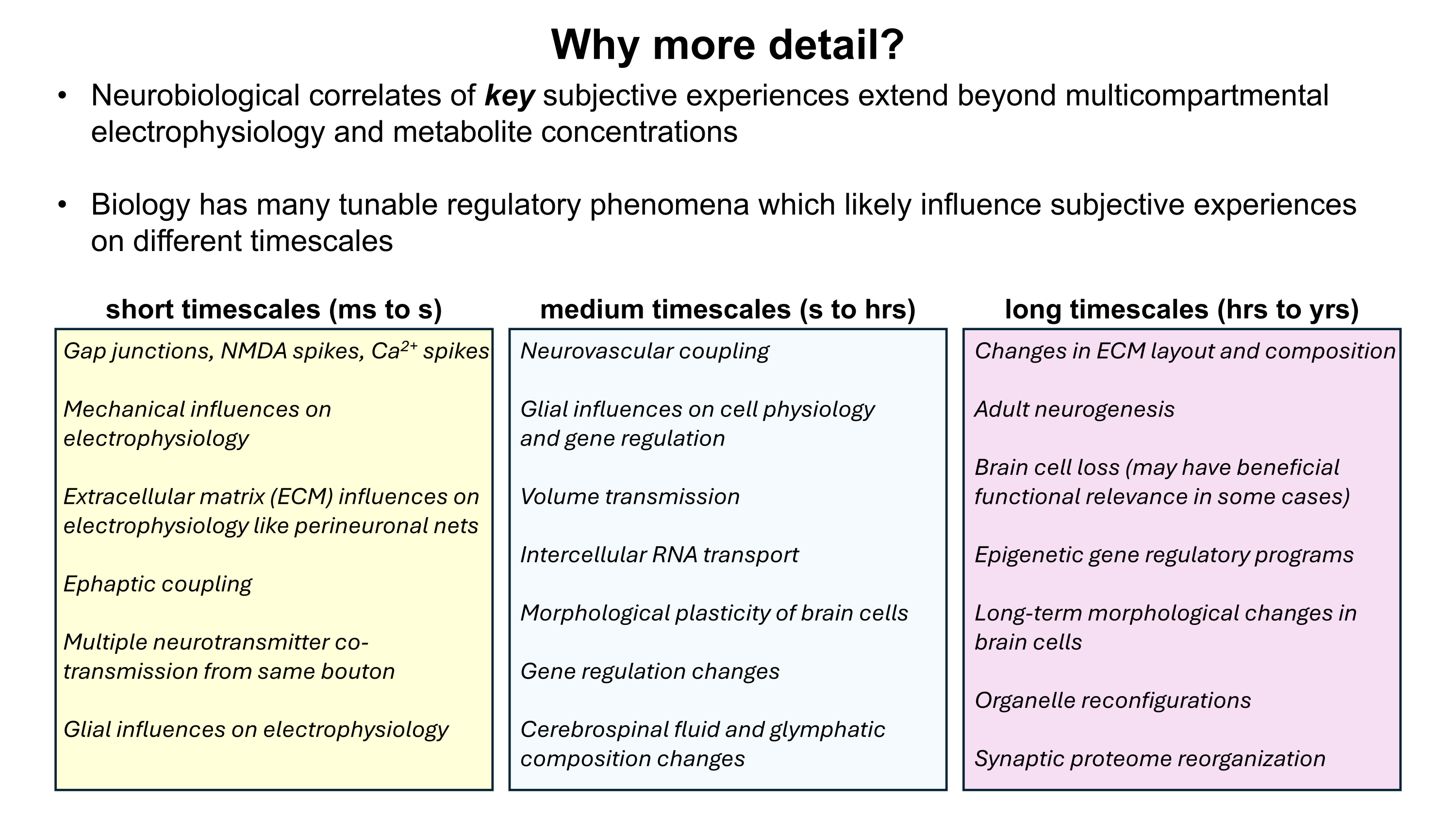
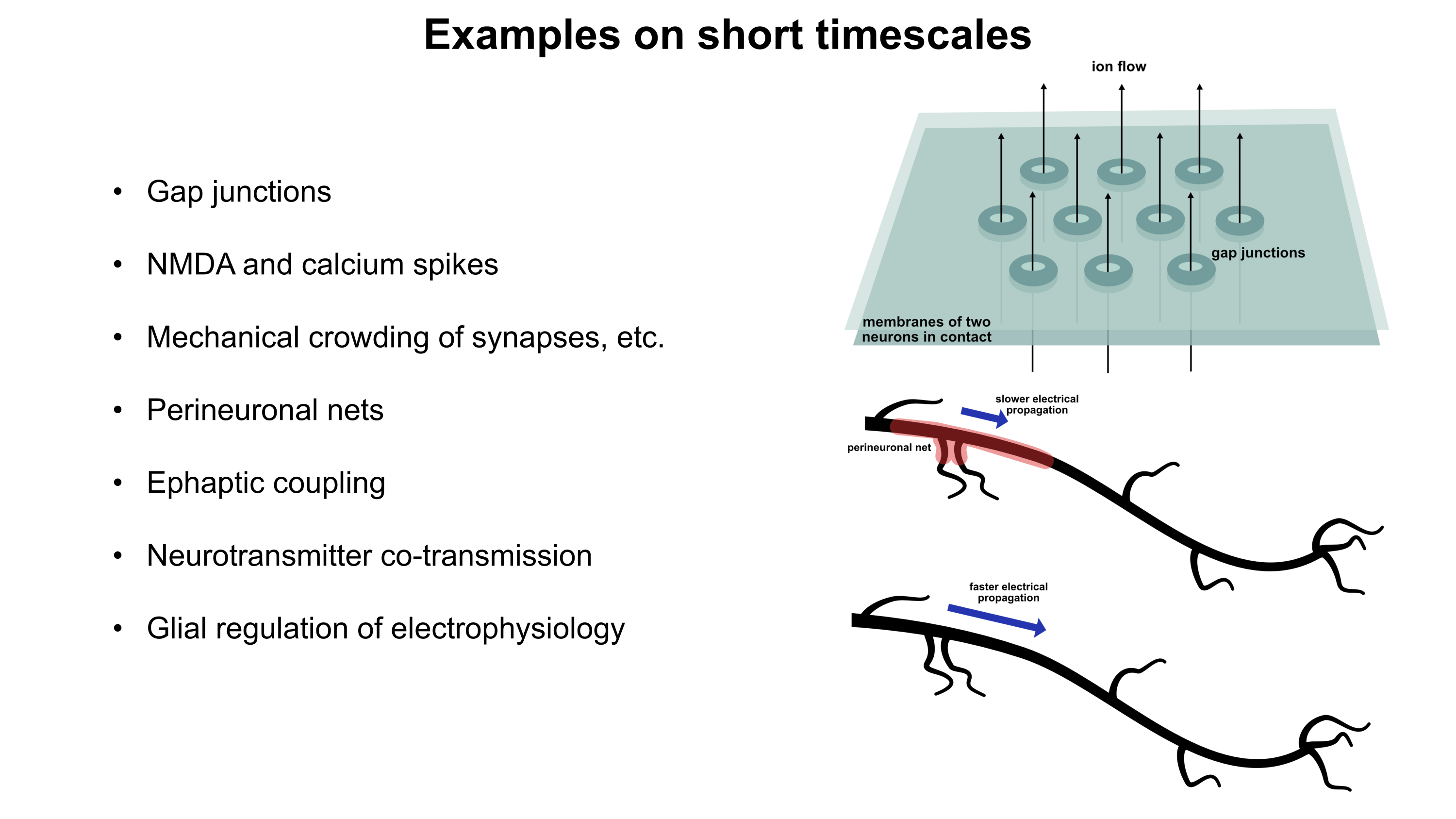
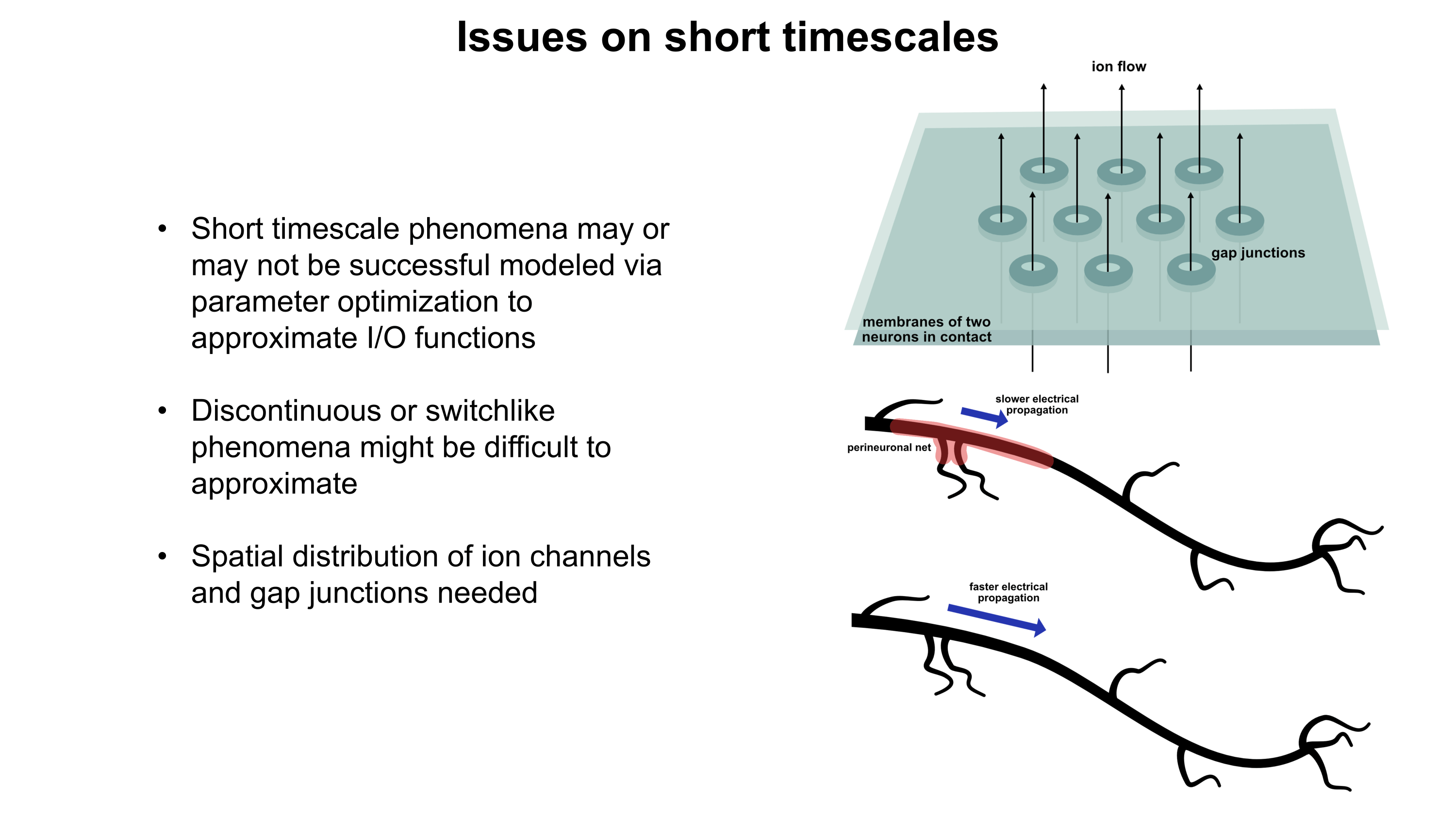
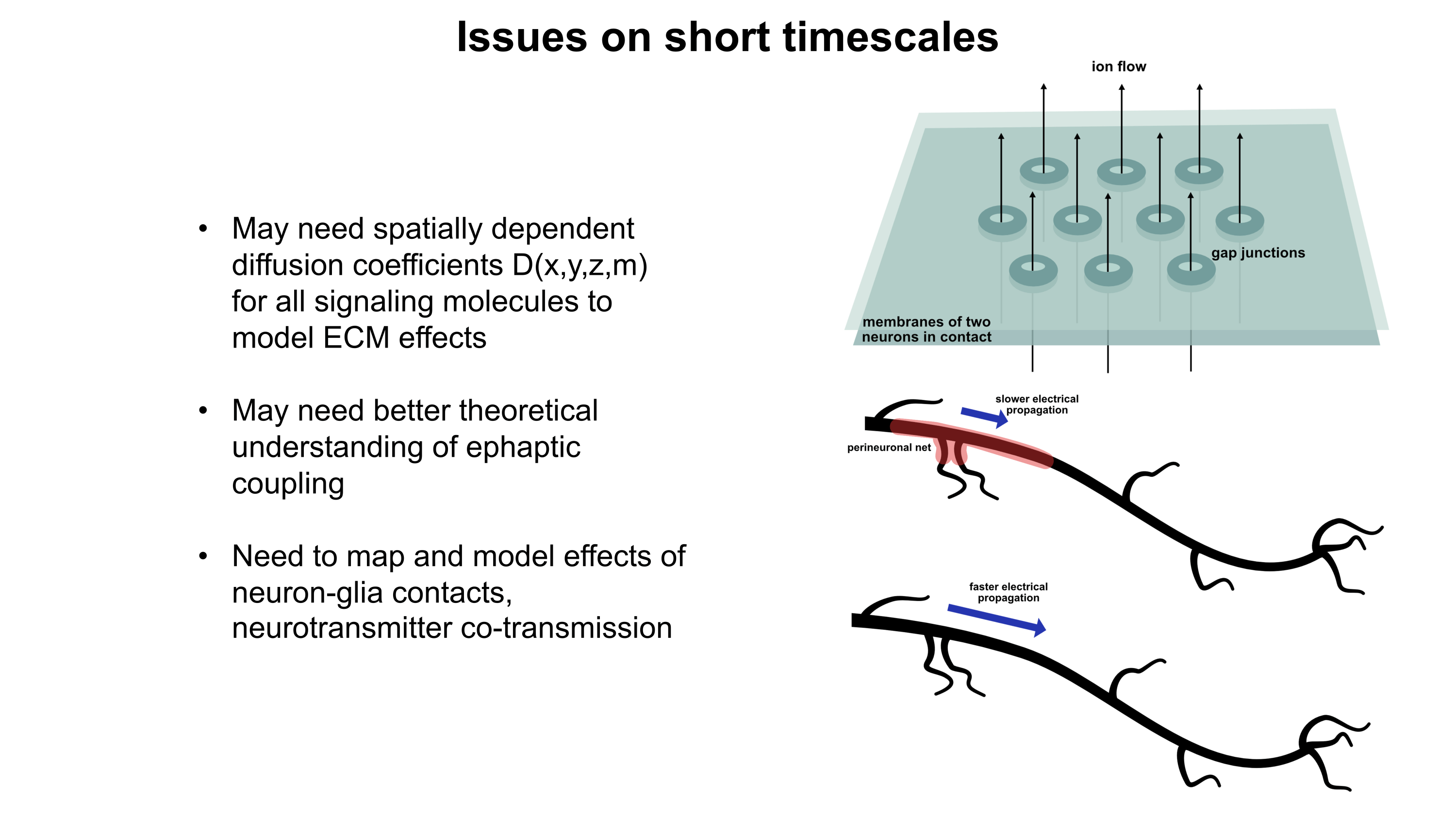
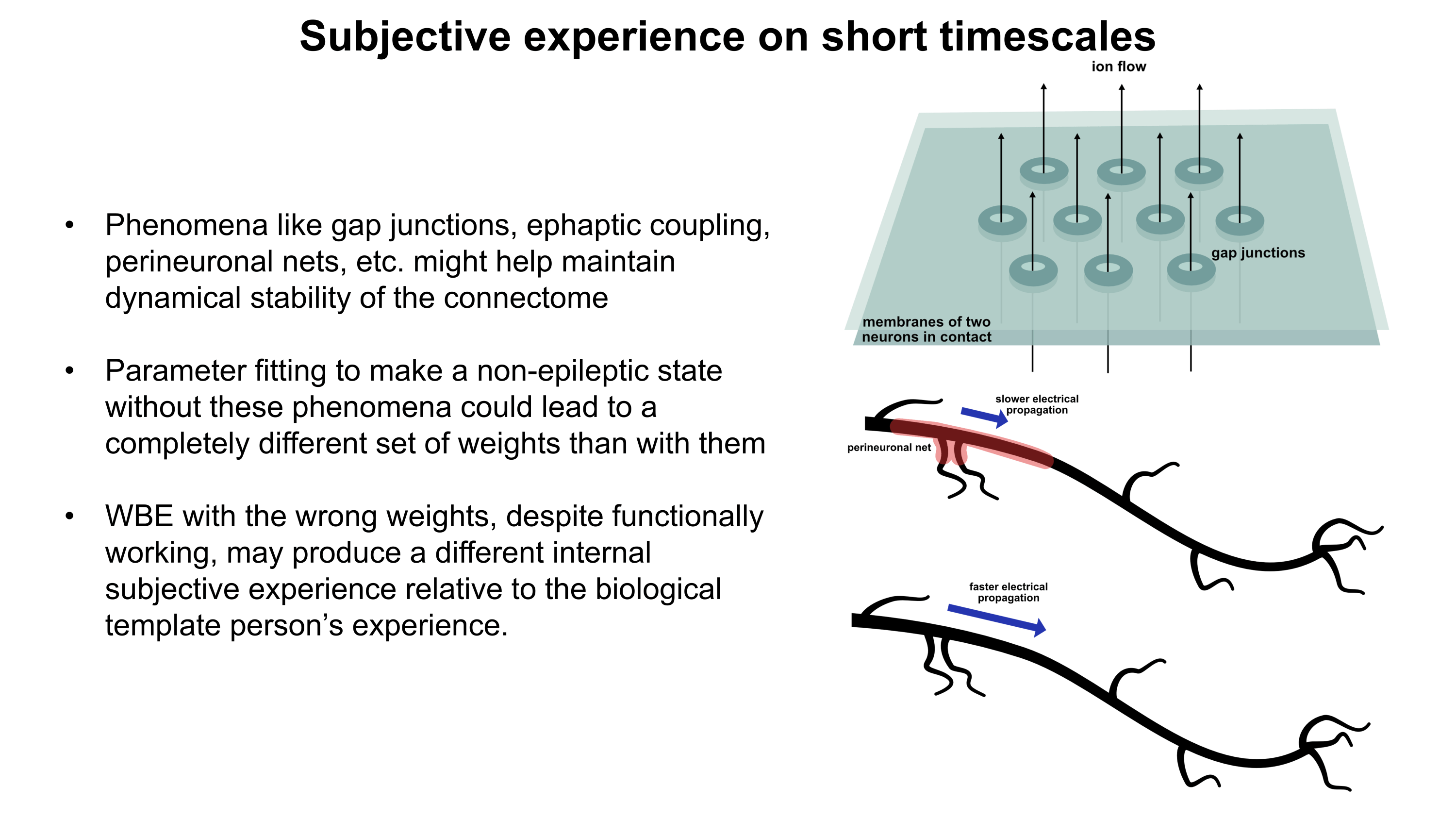
Although a multicompartmental emulation might produce an approximation of a human mind, I argue that the lack of additional biological layers of regulation could result in a subjective experience which has significant inaccuracies or missing pieces. Biological systems possess a massive number of tunable regulatory phenomena extending beyond multicompartmental electrophysiology. Some of these phenomena include but are not limited to morphological plasticity of brain cells, glial influence on computation, neurovascular coupling, adult neurogenesis, intercellular RNA transport, gap junctions, volume transmission, influence of perineuronal nets and other extracellular matrix (ECM) components, mechanical influences (e.g. crowding of synapses) on neuronal computation, ephaptic coupling, temporal evolution of genomic-transcriptomic state, and co-transmission of multiple neurotransmitters from the same synaptic bouton. In particular, experiences which depend on long-timescale changes across the brain may not be properly captured by a model which focuses on the fast electrophysiological dynamics of multicompartmental models with fixed connectomic and morphological properties.
To move towards accurately reproducing the feeling of humanness, I propose a first step of rigorously surveying neuroscience literature and evaluating how biological regulatory phenomena contribute to subjectively observed conscious experiences. This may facilitate construction of a draft catalogue where putative links between aspects of conscious experience and neurobiological phenomena can be established. Such an examination of the neural correlates of subjective experiences may serve as an initial guide for future efforts towards WBEs which preserve the feeling of humanness.


 LoganThrasherCollins.com