consciousness

Reexamining the neurobiological correlates of subjective experience for whole-brain emulation (slides)


No Comments

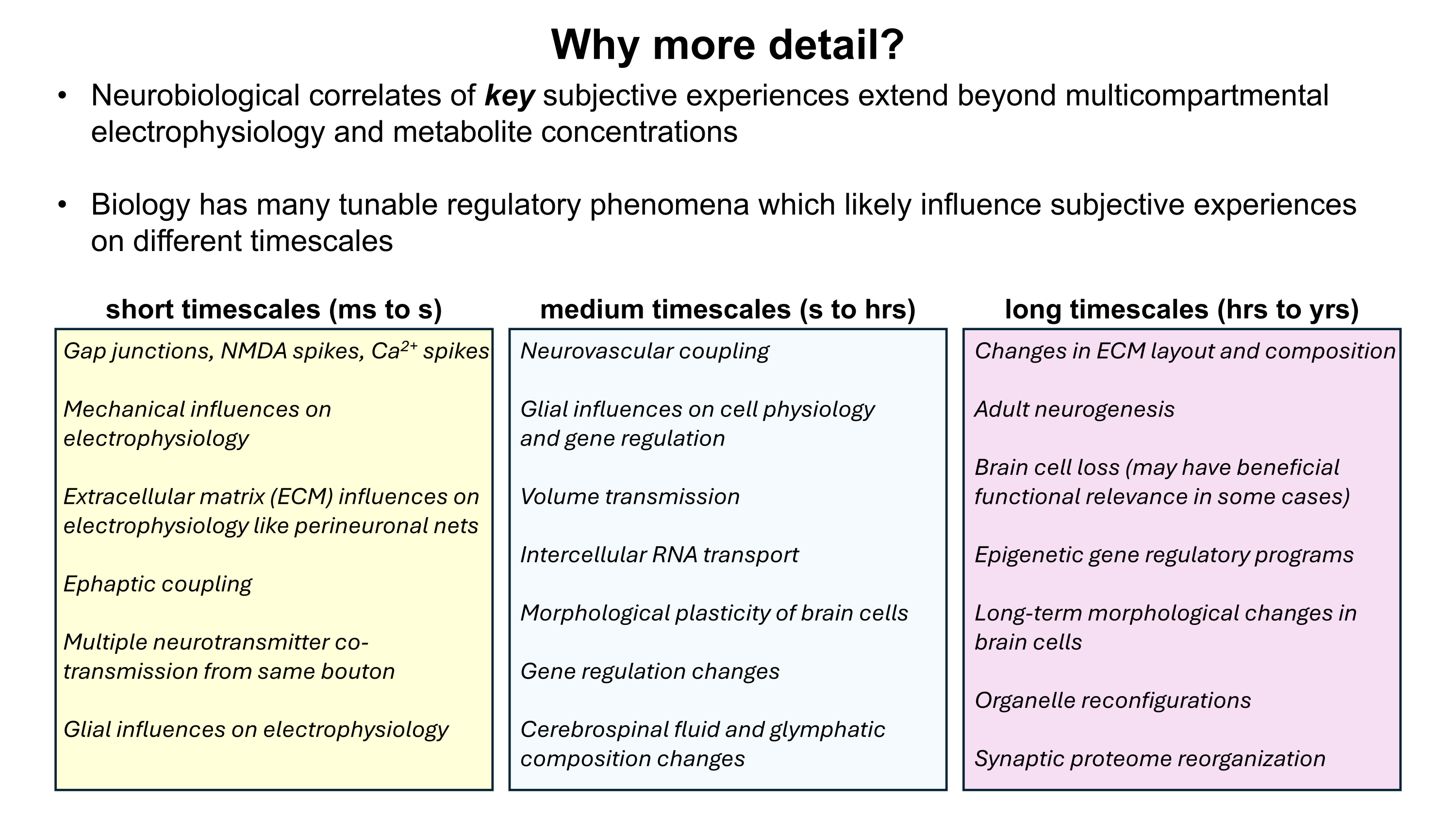
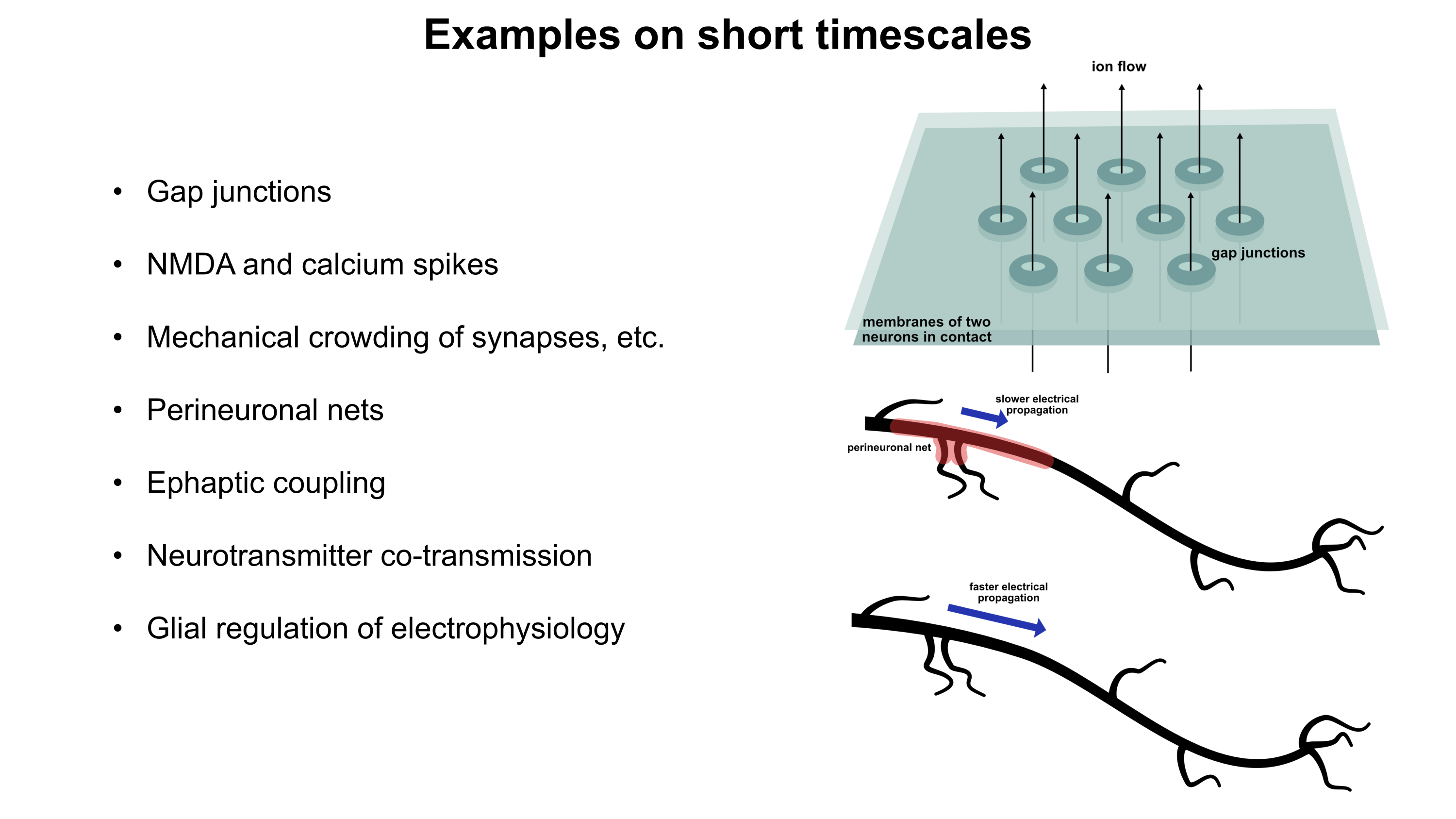
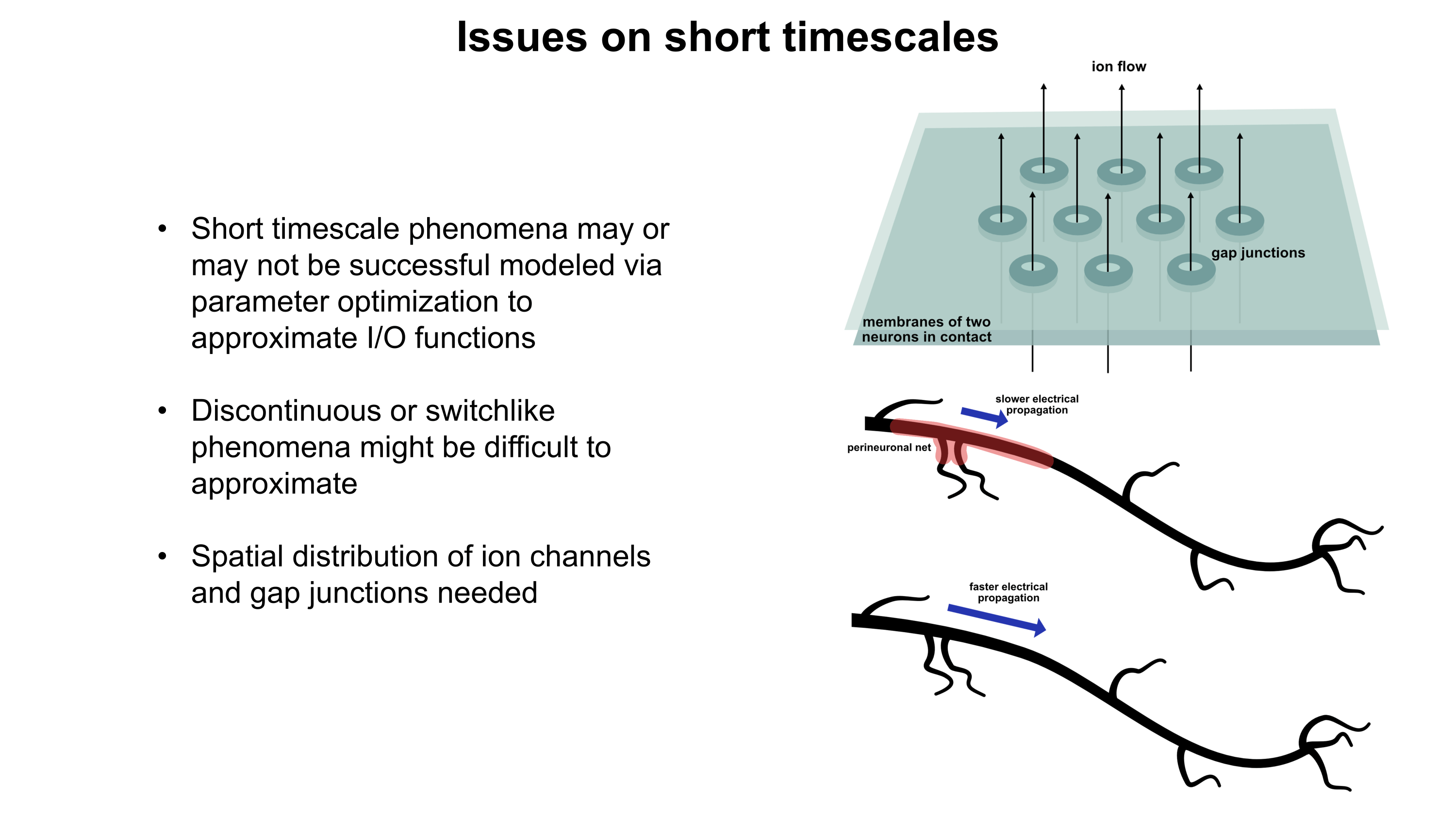
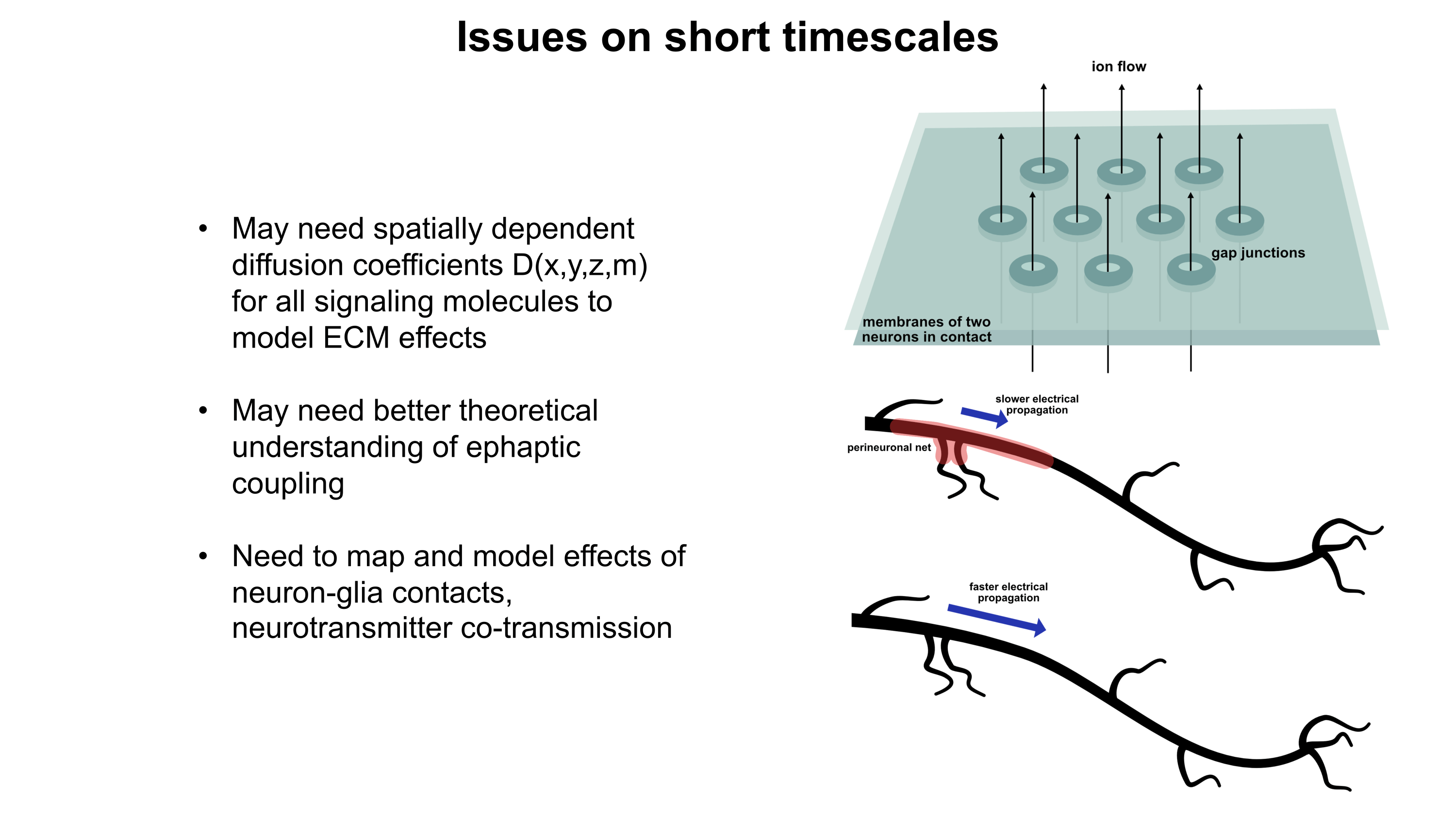
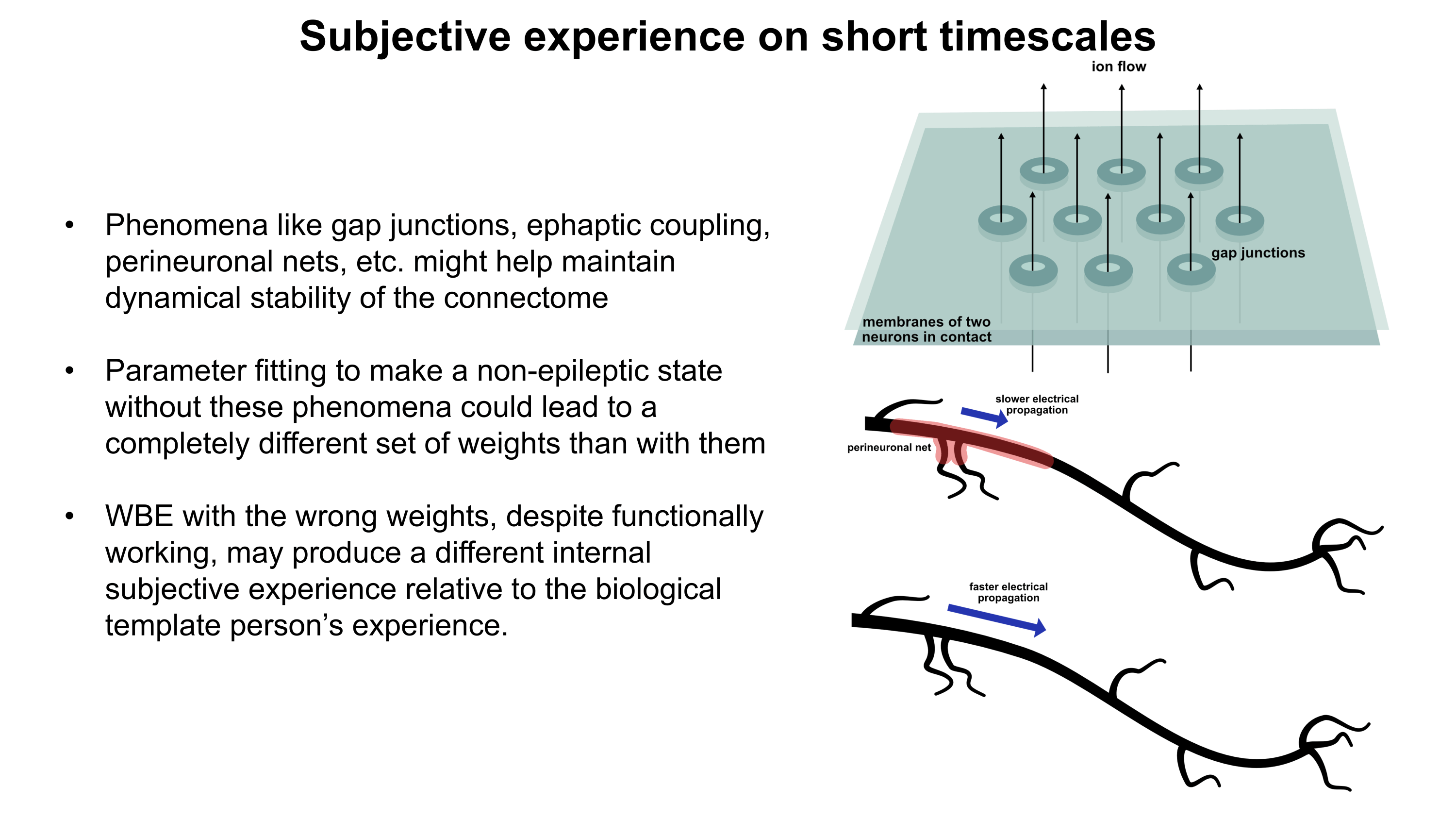
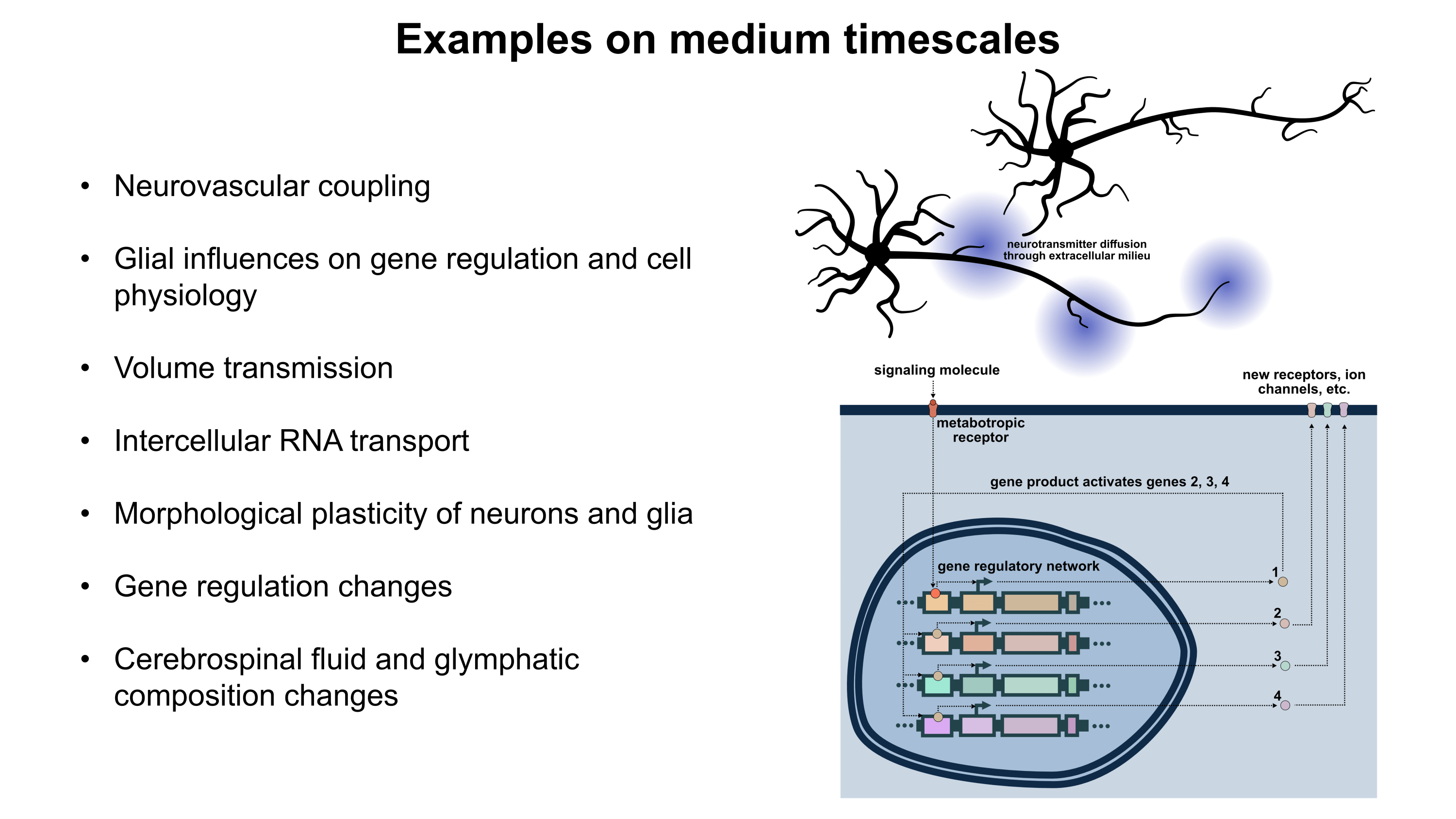
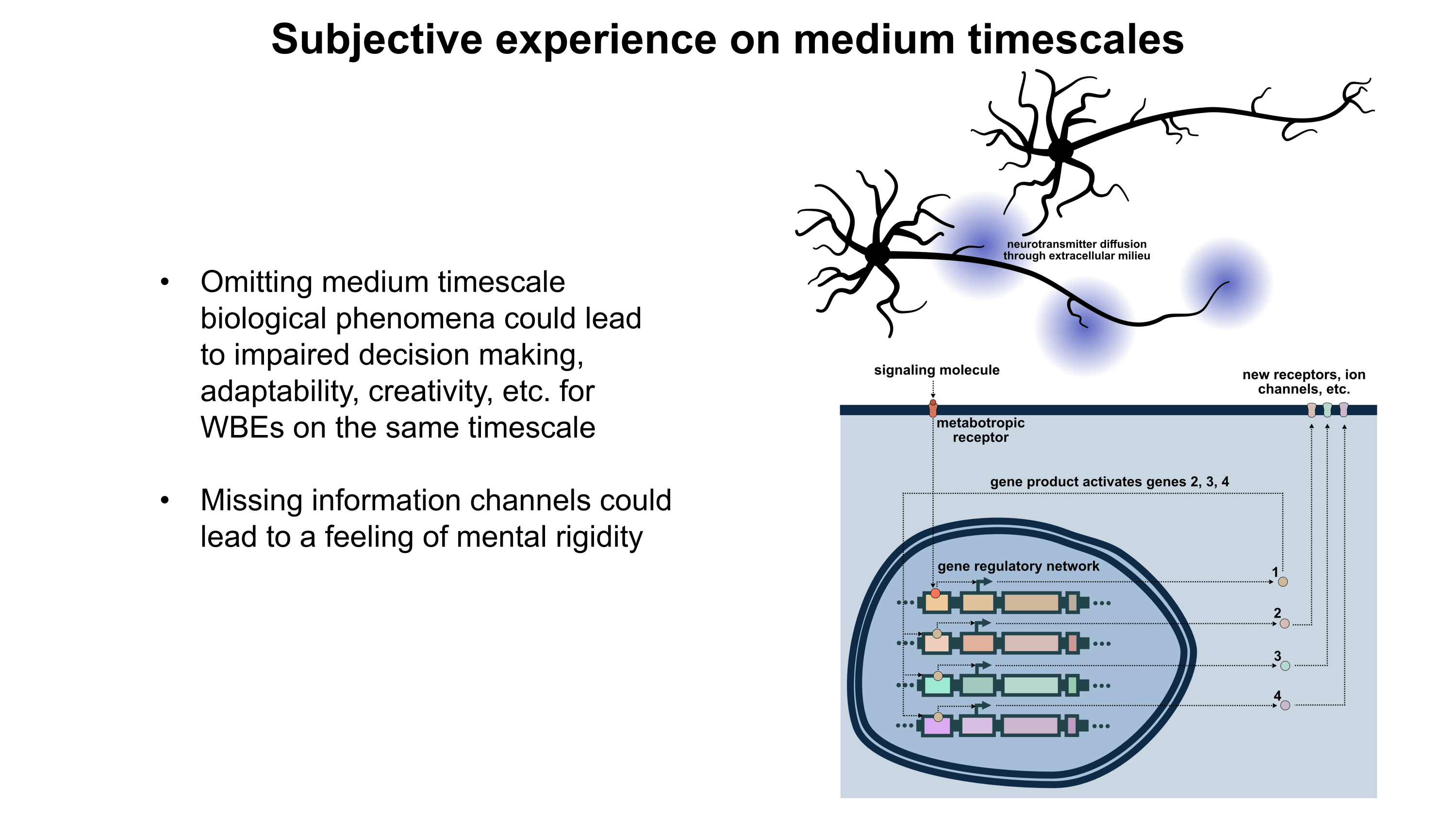
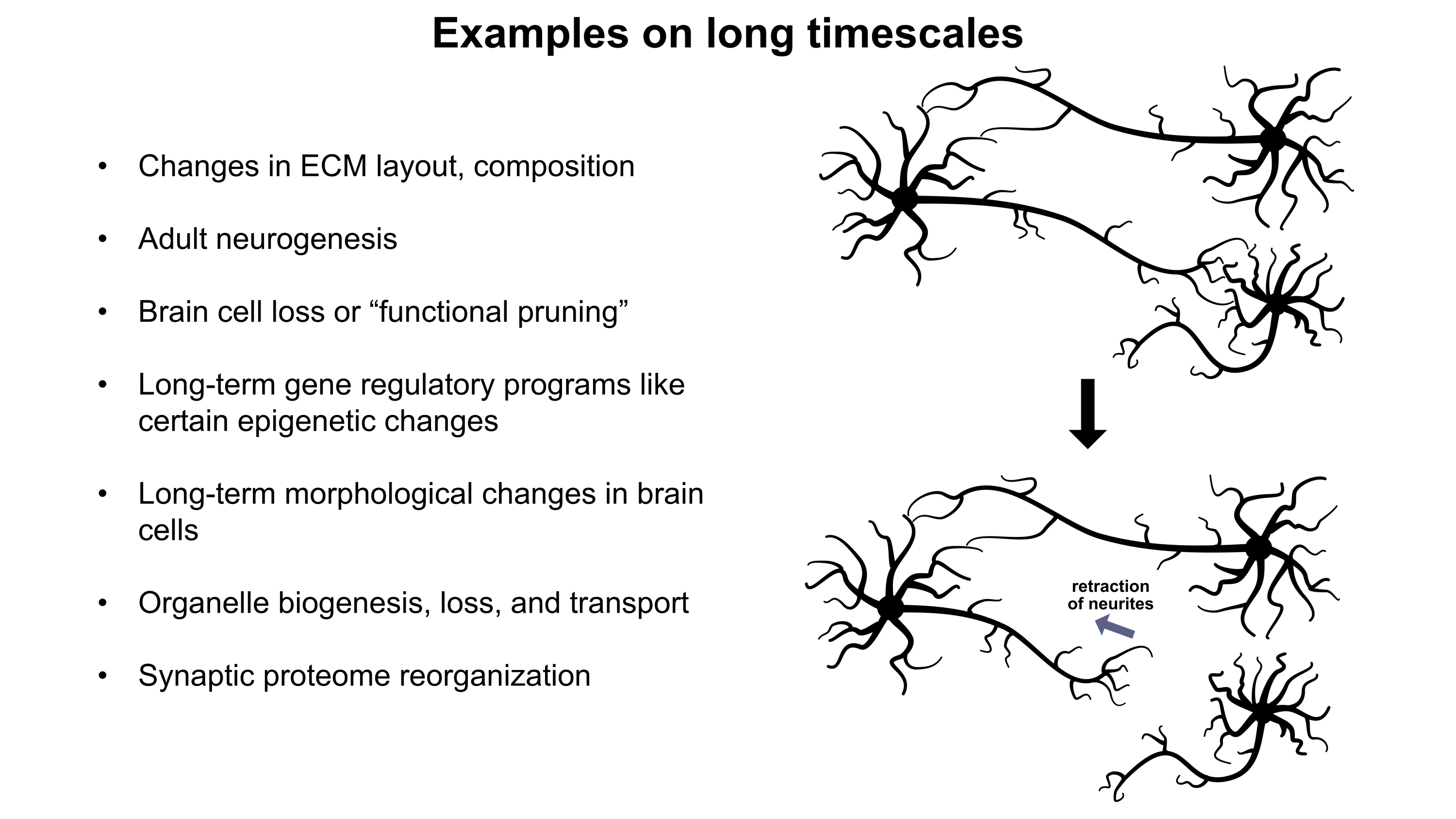
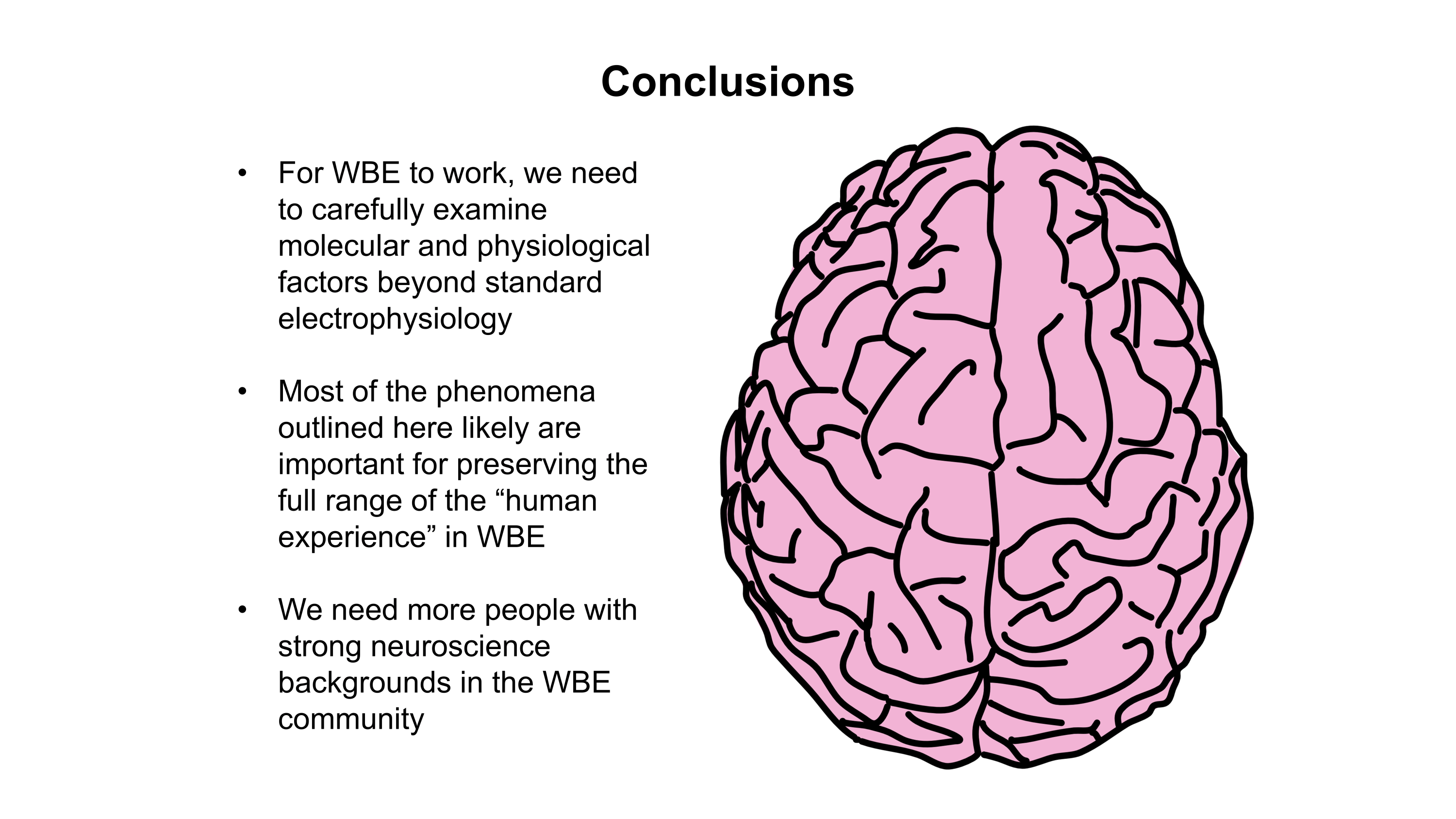
I presented these slides (PDF and images below) during the Workshop on Philosophy and Ethics of Brain Emulation (January 28th-29th, 2025) at the Mimir Center for Long Term Futures Research in Stockholm, Sweden. In my talk, I explored how various biological phenomena beyond standard neuronal electrophysiology may exert noticeable effects on the computations underlying subjective experiences. I emphasized the importance of the large range of timescales that such phenomena operate over (milliseconds to years). If we are to create emulations which think and feel like human beings, we must carefully consider the numerous tunable regulatory mechanisms the brain uses to enhance the complexity of its computational repertoire. At the workshop, we also discussed how the peripheral nervous system, enteric nervous system, endocrine system, musculoskeletal system, sensory systems, and perhaps even immune system may or may not play roles in subjective experience. To better understand what is needed to support proper emulations, I recommend recruitment of more fundamental neurobiology specialists to the whole-brain emulation community.
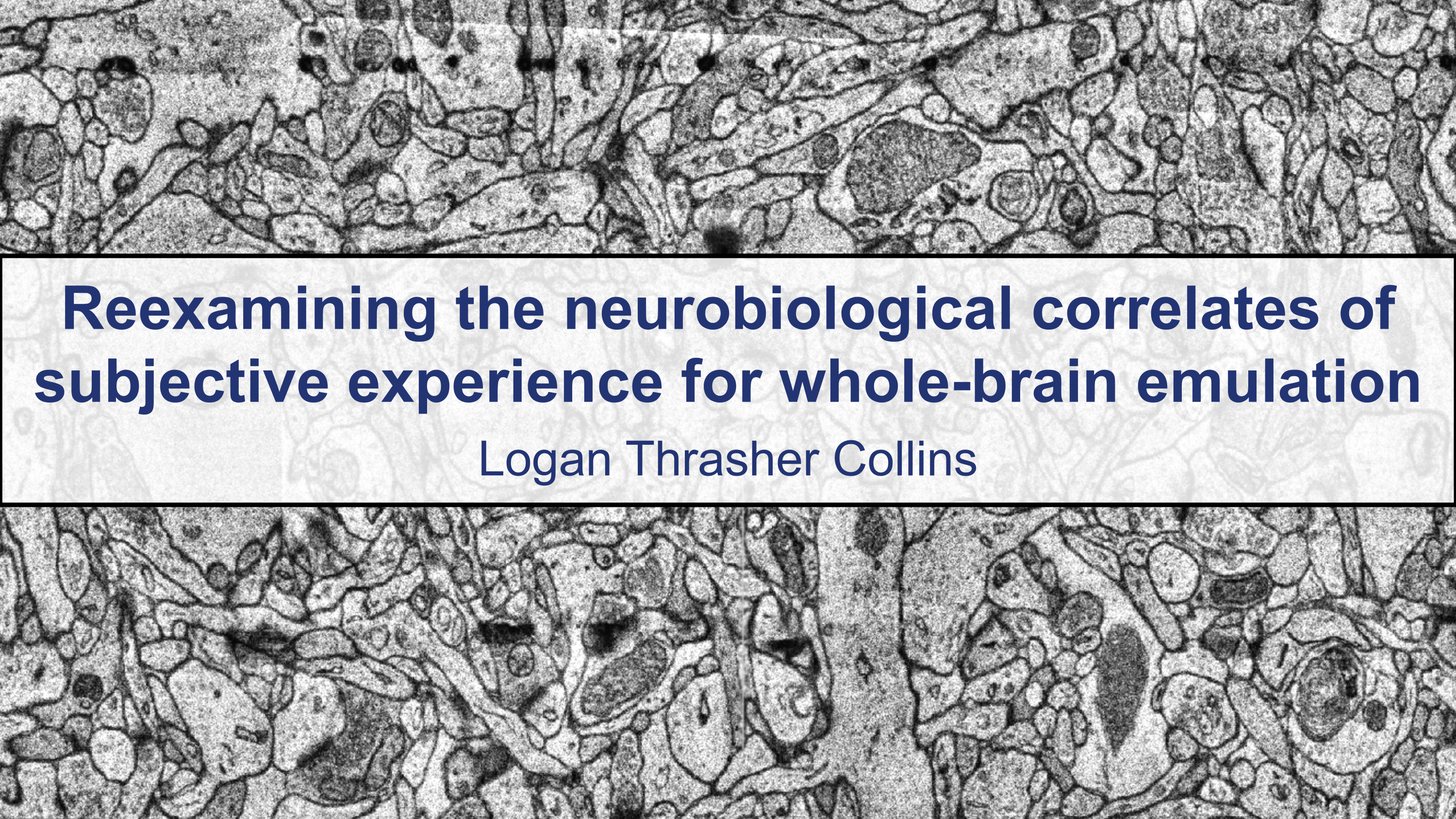
PDF: Reexamining the neurobiological correlates of subjective experience for whole-brain emulation

My abstract:

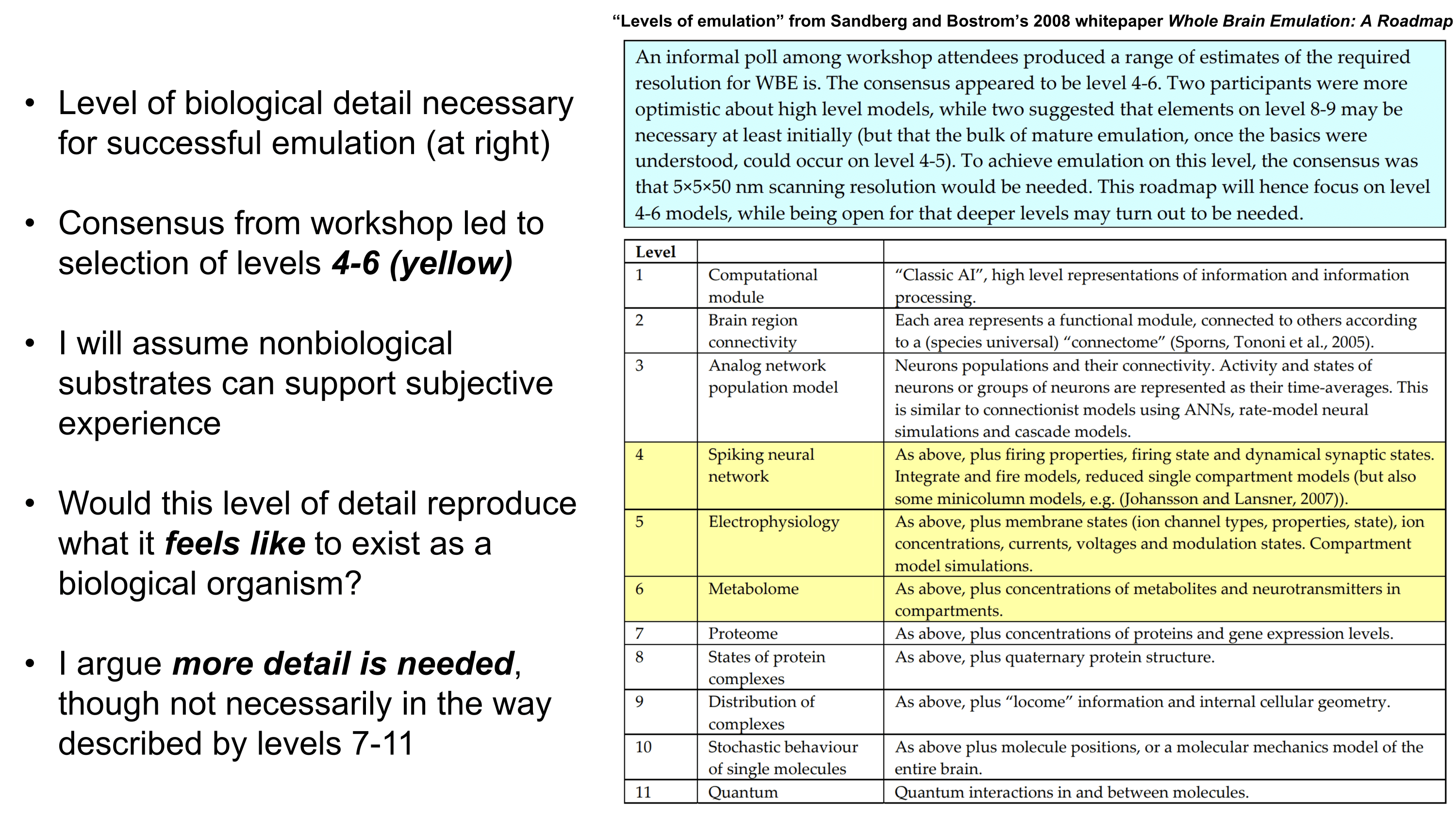
How much biological detail must a whole-brain emulation (WBE) incorporate to accurately preserve human subjective experience such that living as a WBE would truly feel like existing as a human? I ask this question independently of whether a nonbiological substrate can support subjective experience. Sandberg and Bostrom’s whitepaper Whole Brain Emulation: A Roadmap, briefly explores how levels of emulation detail ranging from abstract brain modules to quantum interactions between molecules may influence success criteria. They estimate that the necessary detail may at most involve an emulation of a connectome with multicompartmental models of neurons, dynamical synaptic states, and concentrations of metabolites and neurotransmitters in each compartment. For simplicity, I will refer to this as a multicompartmental emulation.

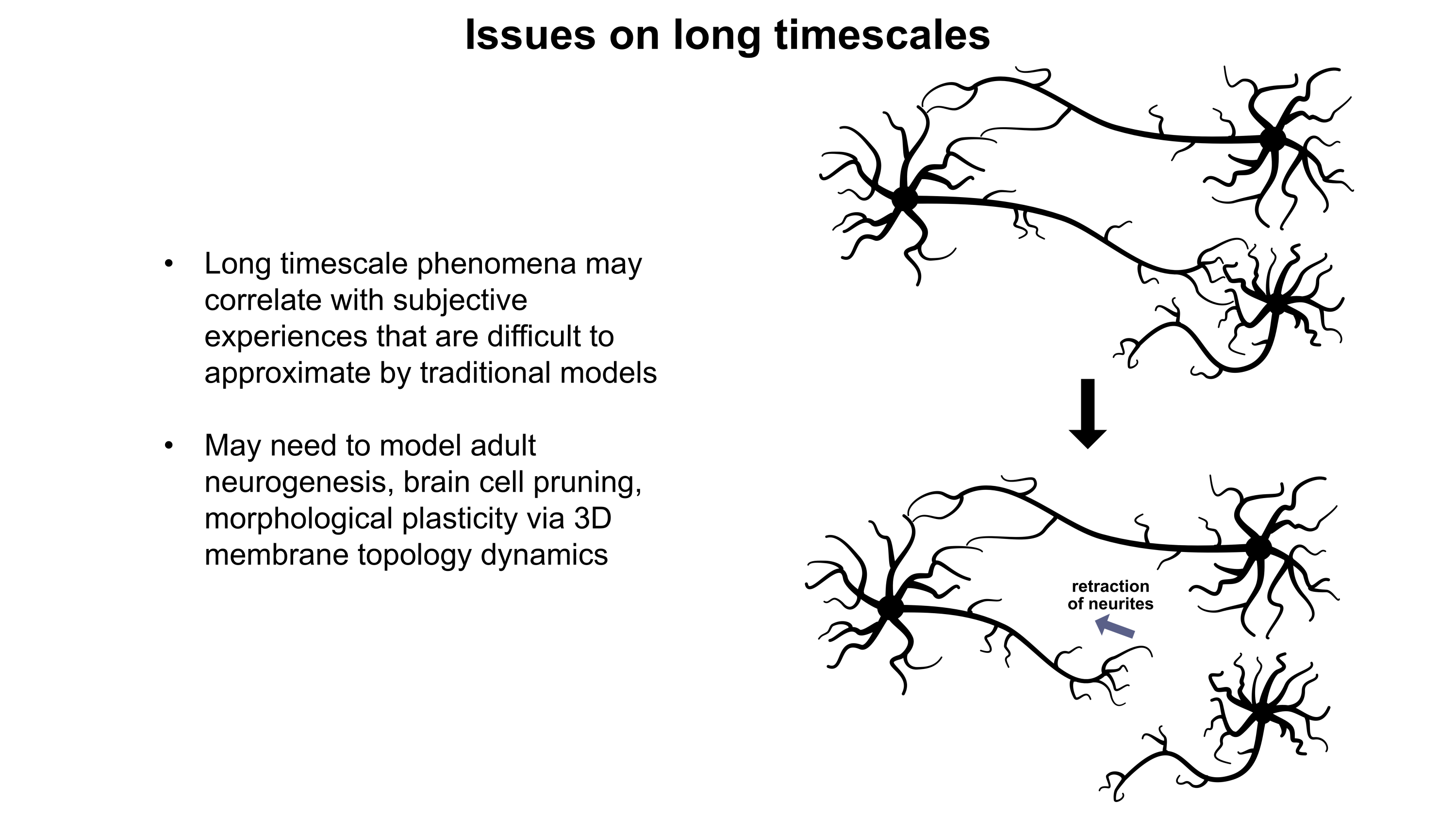
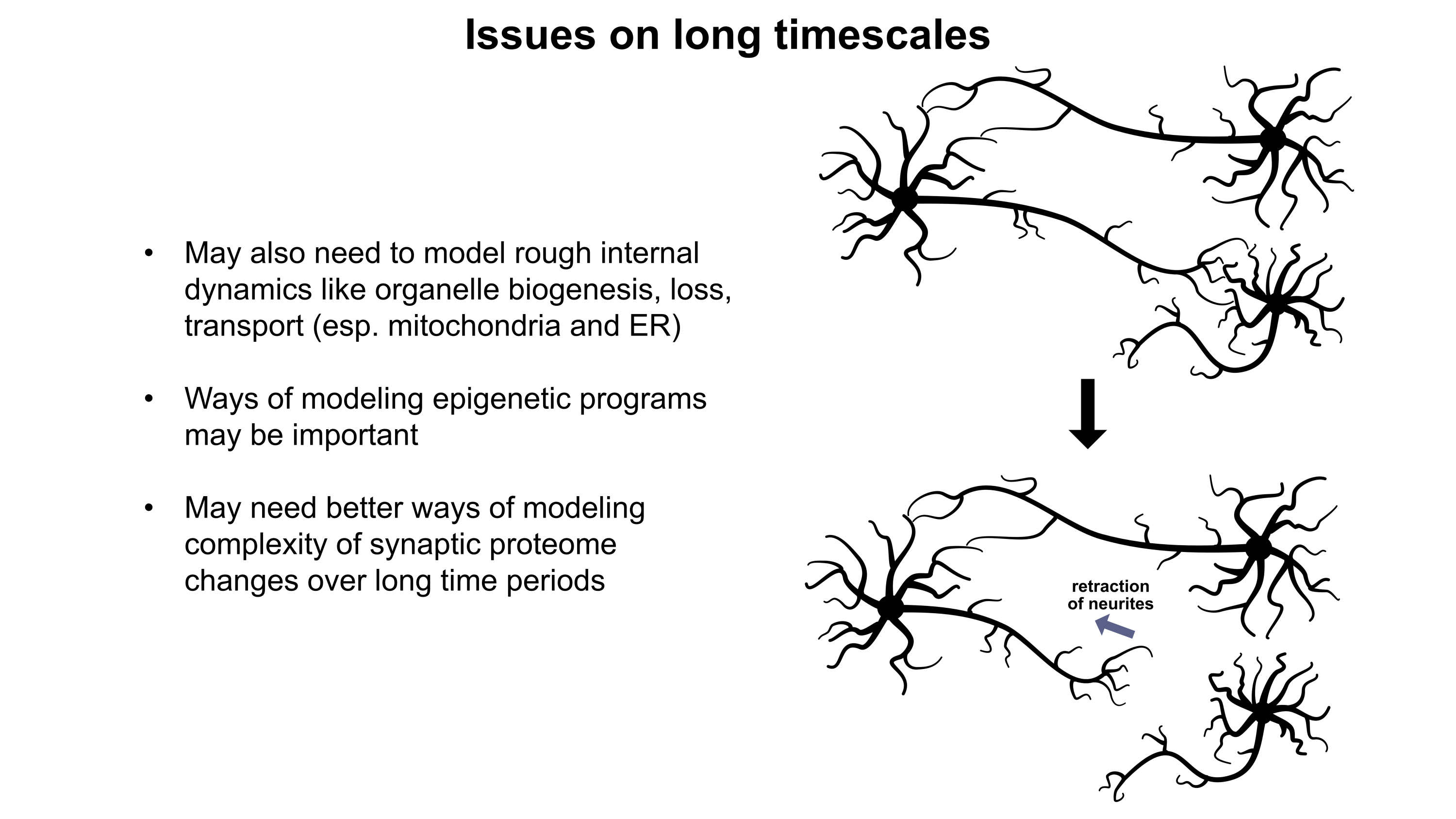
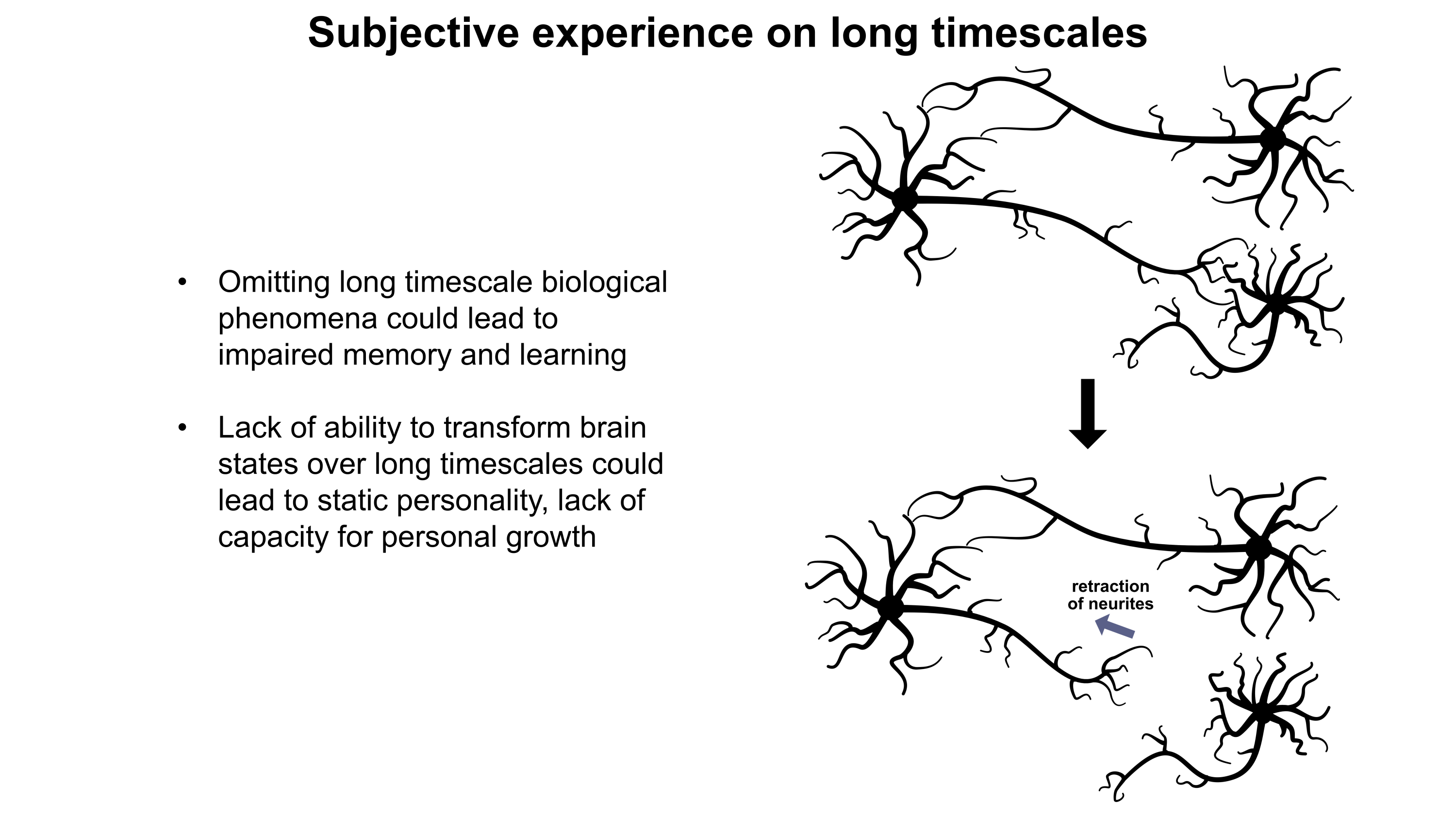
Although a multicompartmental emulation might produce an approximation of a human mind, I argue that the lack of additional biological layers of regulation could result in a subjective experience which has significant inaccuracies or missing pieces. Biological systems possess a massive number of tunable regulatory phenomena extending beyond multicompartmental electrophysiology. Some of these phenomena include but are not limited to morphological plasticity of brain cells, glial influence on computation, neurovascular coupling, adult neurogenesis, intercellular RNA transport, gap junctions, volume transmission, influence of perineuronal nets and other extracellular matrix (ECM) components, mechanical influences (e.g. crowding of synapses) on neuronal computation, ephaptic coupling, temporal evolution of genomic-transcriptomic state, and co-transmission of multiple neurotransmitters from the same synaptic bouton. In particular, experiences which depend on long-timescale changes across the brain may not be properly captured by a model which focuses on the fast electrophysiological dynamics of multicompartmental models with fixed connectomic and morphological properties.

To move towards accurately reproducing the feeling of humanness, I propose a first step of rigorously surveying neuroscience literature and evaluating how biological regulatory phenomena contribute to subjectively observed conscious experiences. This may facilitate construction of a draft catalogue where putative links between aspects of conscious experience and neurobiological phenomena can be established. Such an examination of the neural correlates of subjective experiences may serve as an initial guide for future efforts towards WBEs which preserve the feeling of humanness.

Reasons for Panpsychism


3 Comments

I have long suspected that panpsychism represents the most likely explanation of how consciousness works. My evidence for this claim is laid out below. That said, I am not an expert in philosophy of mind, so take this with a grain of salt. I am certainly open to constructive critiques, questions, and discussion as well!

Supporting points

Organism complexity gradient argument

There appears to be a hierarchy of cognitive complexity ranging roughly down from humans to other primates to other large mammals (e.g. dogs and pigs) to smaller organisms (e.g. mice and rats) to insects to microorganisms to subcellular molecular systems to molecules to atoms to subatomic particles. At what point does consciousness end? There is no clear dividing line between “conscious” and “not conscious”. Thus, some matter may have exceedingly simple cognition, but there is likely not any matter lacking some form of primitive consciousness or experiential qualia.

Lack of real boundaries between brain, body, and environment

Approaching the complexity gradient from a different perspective, one can see that the brain is made of matter and is physically embedded in a body that is also made of matter. Furthermore, the body is physically embedded in an environment made of matter. Where does the “conscious part” end? How does one distinguish between atoms at the edge of the brain which may be thought to participate in conscious processes and atoms at the edge of the pia mater which some may argue do not participate in conscious processes? Furthermore, if a properly configured brain-brain interface was built (think of an electronic cord that physically bridges two people’s brains), it is highly plausible that the two people would experience some of each other’s qualia. Thus, the only real barrier to conscious experiences “spreading” between different organisms seems to be the accuracy of data transfer.

Dualism/supernatural is implied if panpsychism is false

Assume that panpsychism is false. Also assume that the complexity gradient argument holds, implying that there is no clear boundary between conscious and non-conscious material. In this case, where would consciousness exist? It would need to either occupy a sharply defined subset of the universe or need to exist outside of the material universe (i.e. as a supernatural force). But if the gradient argument does not allow us to define a specific subset where consciousness exists, then the only option remaining is for consciousness to exist outside of the material universe. If monist physicalism holds, then panpsychism must be true.

Panpsychism may address the hard problem through physical equivalency

The hard problem confronts many theories of consciousness. In one form of the hard problem, there is the argument that you could have complete mechanistic understanding of how the brain gives rise to a given conscious percept such as the percept of seeing the color red without actually knowing anything about the subjective experience of seeing the color red. However, this may not be true if everything is conscious since it would not be truly possible to have a complete mechanistic understanding of a percept without being physically identical to the matter (e.g. a human) experiencing said percept. Therefore, panpsychism may at least partially address the hard problem of consciousness.

Addressing objections

Reportedly non-conscious parts of brain may actually have qualia

There is neuroscientific evidence that some parts of the brain are active during conscious processing and some parts are not active (subconscious). Yet this is based on the idea that the patient who reports conscious awareness of stimuli represents a unitary entity. What if subcomponents of the brain are instead like different “people”. Perhaps your cerebellum does experience qualia, but just doesn’t transfer most of the data needed to perceive these qualia to your prefrontal cortex. In this way, the conscious parts of the brain would be the ones that have detailed “conversations” with the part of the brain directly involved in the patient’s reporting to the examiner. This goes back to the idea that information transfer may be the only limiting factor in preventing the whole universe from acting as a hive mind. Some parts of the universe do not transfer accurate information to other parts of the universe, but this does not mean that any part of the universe is unconscious.

Anatomy of a rock’s central processing

Some contend that panpsychism is intuitively ludicrous by pointing to the idea that a rock could not possibly be conscious. But consider the following scenario. A rock is illuminated by sunlight on one half of its surface while a shadow from a tree covers the other half. The surface of the rock acts a sensory organ. The rate of diffusion of heat through the rock is governed by factors like the shapes of dense granules packed into the rock’s interior and the composition of the different parts of the rock. The interior of the rock thus acts as a cognitive processor. When the heat comes out from the shadowed side of the rock, different parts of the surface will emit heat at different rates due to the processing that happened inside the rock. The shadowed side of the rock thus acts as a motor output. Certainly, the rock may not have a very accurate model of the world or a system for remembering, predicting, and reflecting. The rock is thus unlikely to have much for self-awareness. Yet it seems plausible that the rock still experiences some form of primitive and noisy qualia. Thinking of the rock in this way makes panpsychism seem less ludicrous.

Illustration of “sensory, integrative/cognitive, and motor” processes that may occur within a rock.