| Company | Category | Description and Key Facts |
Ablynx
 | Services | Nanobodies as therapeutics and as laboratory reagents. |
Aera Therapeutics
 | Biomed | Developing protein nanoparticle delivery vehicles (originally the “selective endogenous encapsidation for cellular delivery” or SEND platform) for gene therapy which are based on proteins from endogenous virus-like particles encoded by the human genome.
Also developing proprietary gene editing proteins of compact size to overcome packaging limits.
Co-founded by Feng Zhang.
Raised $193M in a February 2023 funding round. |
AgeX Therapeutics
 | Biomed | Treating aging using stem cell therapies, induced tissue regeneration, related methods. |
Aldevron
 | Services | Provides manufacturing and development services such as large-scale plasmid DNA synthesis, mRNA production, gene editing production, and antibody manufacturing.
In 2025, worked with Integrated DNA Technologies to manufacture a personalized (N of 1) gene editing therapy for an infant with (otherwise untreatable) urea cycle disorder consisting of a lipid nanoparticle, custom gRNA, and an mRNA encoding a base editor. Manufacturing took 6 months, three times faster than the standard timeline. As of May 2025, the treatment was successful. |
Allonnia
 | Ecotech | Engineering microorganisms and enzymes to degrade environmental pollutants.
Funded by the Ferment Consortium of Ginkgo Bioworks. |
Alora
 | Ecotech | Engineering salt-tolerant rice via CRISPR for ocean agriculture to feed the world.
Formerly known as Agrisea.
Early stage: raised a $1.4M seed round as of September 2022. |
Altos Labs
 | Biomed | Developing cellular rejuvenation technologies to reverse age-related diseases and aging.
Has raised over $3B from funders such as Jeff Bezos, Yuri Milner, and others (the most funding of any biotechnology company as of June 2024).
Steve Horvath is one of the principal investigators working at Altos Labs.
Main scientific advisor is Nobel Laureate Shinya Yamanaka. |
Apertura Therapeutics
 | Biomed | Has developed TfR1-binding AAV capsids which efficiently cross the blood-brain-barrier while avoiding excessive liver transduction. Based on research published in Science by Huang et al. wherein mice expressing humanized TfR1 were used.
Has engineered CD59-binding AAV which can cross the blood-brain-barrier, target brain tissue, and target muscle tissue.
Founded by Ben Deverman, director of vector engineering at the Broad Institute.
Leveraging cutting-edge machine learning tools to engineer AAV capsids simultaneously optimized for immune evasion, manufacturability, and tissue targeting.
Collaborating with Dr. Sonia Vallabh at the Broad Institute to support her efforts to cure the prion disease fatal familial insomnia (which she herself will probably develop due to family genetics).
Announced licensing deal with the Rett Syndrome Research Trust (RSRT) towards developing AAV-based treatments for Rett syndrome.
Announced licensing deals with Galibra Neuroscience (for treating GABA-imbalance disorders) and Emugen Therapeutics (for treating neurodegenerative disorders) in August 2025.
Launched with a $67M series A during 2022. |
Aptah Biosciences
 | Biomed | Developing a rationally designed single-stranded DNA (lead compound APT20TTMG) that crosses the blood-brain-barrier, restores cellular RNA integrity, and corrects multiple proteins to facilitate brain rejuvenation and combat aging.
APT20TTMG binds to pre-mRNA and facilitates proper U1 snRNP assembly to globally decrease cleavage of pre-mRNAs, decrease abnormal RNA splicing, decrease expression of inappropriately truncated proteins, and restore functionality of regulatory miRNAs.
George Church and Aubrey de Grey are on the scientific advisory board. |
Arena Bioworks
 | Biomed | Ended its operations as of November 2025 and is now defunct.
Not a company but a biomedical research institute that employs principal investigators to lead basic research into the mechanisms of human disease, to develop therapies, and then to create spinoff companies that can translate those therapies to the clinic.
Emphasizes translation by providing its investigators with the support and infrastructure to do so.
Relies solely on private funding, thus its investigators do not need to apply for grants and can focus on the research.
CRISPR pioneer Keith Joung is one of the first principal investigators at Arena.
Co-founder and CEO is Stuart Schreiber, who also co-founded the Broad Institute.
Launched with $500M in private funding.
Located in Cambridge near MIT and Harvard. |
Asimov
 | Biotech | Developing computer aided design tools for synthetic biology, making host cell lines for viral vector and biologics manufacturing, constructing genetic parts database.
One of the co-founders is Christopher Voigt.
James Collins is on the scientific advisory board. |
Atomic AI
 | Bio-AI | Has developed AI tools for RNA 3D structure prediction as well as wet lab assays for evaluation.
Their large language model ATOM-1 uses chemical mapping data to improve RNA optimization, predicting structural and functional properties of RNAs.
Their foundational RNA structural prediction technology was published in Science during 2021.
Leveraging their tools to develop therapeutic RNA-targeted small molecules and RNA-based medicines such as mRNA vaccines, siRNAs, and circular RNAs. |
Aukera
 | Biomed | Developing protein vault delivery vectors for delivery of peptides, small molecules, and possibly nucleic acids.
Their vault formulation is reportedly stable for years at room temperature. |
Beam Therapeutics
 | Biomed | Developing base editor technologies towards therapeutic applications.
David Liu and Feng Zhang are among the co-founders. |
Bexorg
 | Neurotech | Has developed instrumentation for maintaining the cellular functions (but not the consciousness) of whole human brains from deceased donors. Their machinery perfuses the brains with an artificial blood-like substance and continuously measures substances going into and out of the brains. This allows automatic adjustment of oxygen and nutrient levels as well as measurement of the responses of the brains to potential therapies.
To prevent consciousness, the brains are kept in a low-energy state where the neurons do not exhibit electrical activity. As an additional measure of caution, anesthetics are included in the perfusate.
They collect -omics data from experiments on the brains, using these data to create a map of how the brains respond to potential therapeutics over time.
Their data are fed into AI software to create predictive models for how therapies interact with human brains.
Aims to improve success rates in CNS clinical trials through their data and models of human brain responses.
Spun out from Nenad Sestan’s laboratory at Yale University.
Has raised $42.5M as of October 2025. |
BigHat Biosciences
 | Bio-AI | Has developed a high-speed closed-loop pipeline (known as Milliner) for antibody discovery, development, and optimization which leverages wet lab automation, advanced machine learning techniques, and synthetic biology.
Milliner starts with preexisting antibodies, phage display, or generative AI to discover initial hits. It then rapidly produces antibodies and comprehensively characterizes them to obtain training data, before updating them with AI models that optimize the design. This cycle repeats in a loop until high-quality antibodies with desired characteristics are created.
Also develops AI-optimized VHHs, camelids, BiTEs, scFvs, and fusions of different antibody-related components.
In 2022, made strategic partnerships with Merck and Amgen as well as acquired a cell-free protein synthesis company called Frugi Biotechnology.
Has several preclinical therapeutic programs in development (one of which is at IND-enabling stage) as of September 2025.
Has raised over $100M in total as of September 2025. |
Bioasis
 | Biomed | Has developed a peptide called xB3 that facilitates transcytosis across the blood-brain barrier.
Working towards applications in glioblastomas, brain metastases, and neurodegenerative diseases. |
Biogen
 | Biomed | Large pharmaceutical company focusing on developing treatments for neurological diseases.
Has made moves towards developing gene therapy pipelines for treating neurological diseases, though the company has experienced some setbacks in this space (i.e. failed clinical trials). |
BioMarin Pharmaceutical
 | Biomed | Enzyme replacement therapies for rare diseases.
During April 2021, announced a collaboration with the Allen Institute to develop AAV gene therapies for rare diseases of the brain. |
Bionaut Labs
 | Biomed | Microrobotics as a new paradigm for drug delivery. |
BioViva
 | Biomed | Developing gene therapies to treat aging, offers tests for determining biological age.
Elizabeth Parrish (the company’s CEO) tested an experimental gene therapy on herself and reports positive results, though she did not intend for this information to go public.
George Church and Aubrey de Grey are on the scientific advisory board.
Anders Sandberg is the company’s ethics advisor. |
Blackrock Neurotech
 | Neurotech | Owns commercial rights to the Utah Array, one of the best known and most widely used neural electrode array technologies.
The Utah Array was first implanted in humans during 2004 and has been used in clinical studies since then.
Licenses the Utah Array to academics, companies, and clinicians.
Developing brain-computer interfaces for control of prosthetic limbs, control of computer functions, writing text via computer, and restoration of senses (touch, vision, and hearing).
Sells devices for human studies, non-human primate research, and rodent research.
Has restored sensory or motor function to over 40 human patients through their studies.
Their devices have remained functioning in patients for a total of 30,000+ days (adding up how long in each patient).
In 2021, received FDA Breakthrough Device Designation for their MoveAgain medical device, which facilitates control of cursors and keyboards, mobile devices, wheelchairs and prosthetic devices.
During 2024, received a large infusion of funding in the form of $200M worth of cryptocurrency cash (before that, they had only taken on about $10M in funding despite their longevity as a company).
Is not at all affiliated with the well-known finance company Blackrock investments. |
Calico Life Sciences
 | Biomed | A subsidiary of Alphabet Inc. (Google) which focuses on studying and treating aging.
Partnered with Abbvie to develop drugs for age-related diseases.
Has also established partnerships with the Broad Institute of MIT and Harvard and with the Buck Institute for Research on Aging, has published numerous peer-reviewed papers on the biology of aging. |
Capsida Biotherapeutics
 | Biomed | Developing targeted AAV gene therapies for a variety of brain diseases.
Has made blood-brain barrier crossing AAVs that are liver untargeted and brain targeted.
Founded by Viviana Gradinaru. |
Capsigen
 | Biomed | Engineering superior AAV gene therapy vectors through a proprietary method called Transcription-Dependent Directed Evolution (TRADETM).
Have developed greatly improved neurotrophic AAVs.
Entered into a partnership with Biogen during May of 2021 to develop AAV gene therapies that treat various brain and neuromuscular disorders. |
Caribou Biosciences
 | Biomed | Developing allogenic CAR-T and CAR-NK therapies using a Cas12a chRDNA (CRISPR hybrid RNA-DNA) genome-editing technology which enables multiplex gene edits, higher specificity, and less off-target editing.
As of June 2023, has two CAR-T therapies for hematologic diseases in phase I clinical trials as well as a portfolio of other therapies at earlier stages of development.
Jennifer Doudna is a co-founder and is on the scientific advisory board.
As of June 2023, has raised $167.7M in funding. |
Cathedral Therapeutics
 | Biomed | Encapsulating AAVs inside of protein vaults as a way of shielding from preexisting anti-AAV immunity found in up to 60% of patients, a platform technology to increase access to gene therapy and improve the efficacy of genetic treatments.
My company, which I co-founded with David Curiel.
Acquired by a stealth biotech in April 2024. |
CATALOG
 | Biotech | Building a DNA-based platform for massive digital data storage and computation. |
Celero Systems
 | Biomed | Developing ingestible pills which can diagnose, monitor, and treat diseases by sending data to external devices (e.g. cell phones).
Their HEALTH-DxTM pill can monitor respiratory and cardiac rhythms to diagnose sleep apnea.
Their RESCUE-RxTM pill can automatically administer rescue medication in the case of an opioid overdose.
Robert Langer is an advisor and one of the co-founders. |
Cirsium Biosciences
 | Biomanufacturing | Developing a platform for manufacturing clinical-grade AAVs at higher yields which uses plants.
They deliver plant-specific helper plasmids into producer plants using a vector (possibly A. tumefaciens), produce the AAVs inside the plant tissues, and purify the AAVs.
Have demonstrated 70% reduction in manufacturing lead times compared to traditional methods.
Produces up to 1015 vg/kg AAVs and is highly scalable, lowering costs compared to traditional methods.
Safer than traditional methods since they leverage plants designed for resistance to contamination with human pathogens.
Received (up to) $61M in ARPA-H funding as of October 2024. |
Coastal Carbon
 | Ecotech | Aggregating massive amounts of satellite imagery data as well as non-intrusive underwater sensors to train foundation models and measure seaweed biomass, facilitating access to blue carbon for seaweed farmers.
This strategy could accelerate the development of seaweed farming towards carbon capture.
As of September 2023, raised $1.6M to develop the non-intrusive underwater sensors that can capture data to enhance the accuracy of their models. |
Code Biotherapeutics
 | Biomed | Has developed 3DNA, a multivalent DNA nanostructure (not DNA origami) which both carries therapeutic transgenes and can be linked to antibodies or peptides to facilitate cell-targeted delivery of said transgenes.
Focusing on Duchenne Muscular Dystrophy while also in very early stages of exploring lung, pancreas, and liver diseases.
Has raised $85M as of June 2023. |
Cognito Therapeutics
 | Neurotech | Developing a noninvasive wearable visual and audio stimulation device to evoke gamma waves in the brain, slowing cognitive decline of Alzheimer’s patients.
Based on studies from Ed Boyden’s and Li-Huei Tsai’s labs at MIT.
Co-founded by Ed Boyden and Li-Huei Tsai.
As of September 2024, has completed a phase II clinical trial and demonstrated up to 77% reduction in cognitive decline over a period of 6 months with patients using the device. |
Cognigenics
 | Biomed | Developing inhalable AAVs to deliver CRISPR gene therapy for treating anxiety, depression, and mental impairment.
Has demonstrated successes in mouse models for treating anxiety as of June 2023.
Plans to start clinical trials in 2024 and claims that they may bring the product to market as early as 2025.
Leveraging contract research organizations (CROs) and contract manufacturing organizations (CMOs) to accelerate their research and development.
First raised initial funding in 2020 for early preclinical work from early angel investors and then received $950K during 2022 from Fifth Set Ventures and Lionheart Ventures for further preclinical studies and beyond. |
Constellation Bio
 | Biomed | Developing molecularly precise probiotics that actually work.
First target is to develop precision medicine probiotics for lowering cholesterol.
Pre-seed stage as of October 2025, funded by angel investors.
As of October 2025, the company is collecting fecal samples along with some data about cardiovascular health from volunteers as part of their R&D.
Leveraging observational human research to bypass much of the red tape often associated with early-stage therapeutic products.
Founded by Stephen Skolnick, who announced the company in a Substack post. |
Colossal
 | Ecotech | Centered on moonshot projects that are using advanced CRISPR methods to bring back the Wooly Mammoth, the Thylacine (Tazmanian Tiger), and other extinct animals.
Aims to reintroduce lost biodiversity and thus repair ecosystems.
Will develop biomedical technologies such as artificial wombs in conjunction with its de-extinction research, providing additional benefits to humanity and acting as a way to bring in funding.
Cofounded by George Church, Ben Lamm, and Andrew Busey.
As of January 2025, received a $200M series C funding round (for a total of $435M funds raised) at a $10.2B valuation. |
Composite Programmable Therapeutics
| Biomed | Has developed DNA origami shells to multivalently capture viruses and trigger their clearance by the immune system.
Co-founded by Hendrik Dietz.
As of June 2023, also planning to develop new gene therapy vectors based on DNA origami as well as a biomanufacturing platform for producing large quantities of ssDNA.
Has raised $29M as of September 2024. |
Concerto Biosciences
 | Biotech | Has developed a high-throughput assay device (kChip) which displays millions of microbial communities with different combinations of microorganisms. Across these microbial communities, pathogen suppression, metabolite production or degradation, robustness to environment, and other metrics are tracked.
Data from kChip assays are used to train kAI to predict microbial behavior in different community contexts, which allows identification of combinations of microorganisms that work together to achieve useful functions.
They are leveraging kChip and kAI to develop multistrain probiotics for dermatology applications including treatment of vaginal yeast infections, general skin health, and treatment of atopic dermatitis.
As of this writing (October 2025), a phase 1b clinical trial has been completed for the probiotic formulation aimed at treating atopic dermatitis.
Has raised $25.5M as of October 2025. |
Convergent Research
 | Services | Not a company but a nonprofit organization which incubates, finds philanthropic donors for, and supports Focused Research Organizations (FROs).
For more information on FROs, see this open access article in Nature.
Adam Marblestone is CEO and a co-founder. |
Cortical Labs
 | Neurotech | Developing hybrid bioelectronic devices which incorporate cultured biological neurons to perform computational tasks. These devices are power efficient, scalable, robust to physical damage, and have the potential for fluid adaptation to many different computational problems. |
Cradle
 | Neurotech | Aiming to develop reversible whole-body cryopreservation for humans.
They have so far shown that electrophysiological activity can be restored in a cryopreserved and rewarmed slice of rat cerebellar tissue.
Has raised $48M as of June 2024.
Laura Deming and Hunter Davis are the co-founders. |
Creative Biolabs
 | Services | Custom services for antibody engineering, membrane protein production and characterization, bioconjugation, gene therapy development, viral vector engineering, cell therapy development, molecular dynamics simulations, drug development consulting, and more. |
Cultivarium
 | Biotech | Developing molecular techniques, hardware platforms, and software tools to accelerate adoption of non-model microorganisms for biotechnology.
Cultivarium is a focused research organization (FRO), so it possesses a distinct funding approach and different goals compared to traditional startups. For more information, see this open access article describing FROs in Nature. |
Dalan Animal Health
 | Ecotech | Has developed the world’s first bee vaccine (made using inactivated bacteria), which protects hives against American Foulbrood disease, a devastating infection caused by the bacterium Paenibacillus larvae that spreads rapidly and leaves persistent spores.
Sells their vaccine for beekeepers to mix with queen candy or in the form of vaccinated queens.
American Foulbrood disease harms ecosystems and costs the U.S. food industry over $400M in lost revenue.
Antibiotics used to control American Foulbrood disease can lead to resistance and can negatively affect the health of the bees; the vaccine does not lead to antibiotic resistance or harm the bees.
Also developing a number of other vaccines for various honeybee infectious diseases (e.g. a vaccine against deformed wing virus is in clinical development as of December 2024) as well as one for diseases in shrimp.
Raised about $10M in total funding as of June 2023. |
Deep
 | Ecotech | Developing modular undersea habitats that scientists will live inside of for extended periods of time during marine research missions.
Also offers advanced manufacturing services for customers seeking large metal parts.
Funded with £100M+ by a mysterious anonymous donor (as of September 2025).
UK-based company. |
DoriVac
 | Biomed | Developing DNA origami cancer vaccines which facilitate cross presentation of antigens and are also applicable to infectious diseases.
Raised $100K by winning the 2022 Alnylam BioVenture Challenge.
Early stage as of June 2023.
Their technology was developed by William Shih and Yang Zeng at the Wyss Institute. |
Dyno Therapeutics
 | Biomed | Using deep learning to improve properties of AAV capsids as a platform technology for gene therapy.
George Church is one of the co-founders. |
E11 Bio
 | Neurotech | Building moonshot technologies involving superior molecular barcoding, spatial -omics, and viral circuit tracing to help neuroscientists map the brain. Has a long-term goal of mapping brains at the one-hundred billion neuron scale.
E11 Bio is a focused research organization (FRO), so it possesses a distinct funding approach and different goals compared to traditional startups. For more information, see this open access article describing FROs in Nature. |
Editas Medicine
 | Biomed | CRISPR-based gene therapy.
George Church, David Liu, Jennifer Doudna, Feng Zhang, and J. Keith Joung are the co-founders. |
eGenesis
 | Biomed | Developing safer xenotransplants by using multiplexed CRISPR gene editing to inactivate all of the porcine endogenous retroviruses and to address the numerous mechanisms of immune-mediated rejection.
Working on gene edited porcine kidneys, livers, and hearts for xenotransplantation.
George Church is a co-founder.
Has raised a total of $481M in funding as of September 2024. |
Eikon Therapeutics
 | Biomed | Superior drug discovery platform which leverages high-throughput automated super-resolution microscopy for tracking single protein movements in living cells.
Eric Betzig is one of the advisors. |
Emerald Cloud Lab
 | Services | Remote automated laboratory as a service for researchers.
Has a large array of automated equipment for synthetic biology and genetic engineering, physical and biophysical chemistry, structural biology, biochemistry, analytical chemistry, etc.
Provides a software interface for users to instruct the automated equipment. |
Entos
 | Biomed | Developing lipid nanoparticles with transmembrane fusogenic proteins to facilitate delivery of DNA, RNA, and CRISPR cargos.
Neutral lipid formulation (not ionizable) gives lower toxicity while the fusogenic proteins facilitate delivery efficacy.
As of June 2024, Entos is involved in oncology therapeutics, antivirals, gene editing therapies, immunotherapies, DNA vaccines, and senolytics.
Has partnered with Oisin Biotechnologies (see later in this list) to develop a new senolytic therapy. |
Eve Bio
 | Biomed | Mapping the “pharmome” with the goal of identifying all of the off-target effects of clinically approved small-molecule drugs.
Leveraging high-throughput screening assays with 2,000 FDA-approved drugs on reporter cells, measuring the effects on up to 1,000 gene products per drug.
Many of their assays use reporter cell lines engineered to emit a quantifiable optical signal when a test drug stimulates a specific gene product (a different cell line for each gene product).
Releasing their data and assay designs to the public to support pharmacological safety profiling, drug repurposing, biomedical AI training, polypharmacology (finding drugs that act at multiple targets), chemical toxicology profiling, and future automated laboratory processes.
Eve Bio is a focused research organization (FRO), so it possesses a distinct funding approach and different goals compared to traditional startups. For more information, see this open access article describing FROs in Nature. |
EvolutionaryScale
 | Bio-AI | Has developed an open-source AI frontier model for biology (called ESM3) which can create a wide variety of proteins with desired functions through natural language prompting.
ESM3 can create new proteins that diverge greatly from naturally occurring proteins including a variant of GFP with only 58% sequence similarity to the closest known naturally occurring type of GFP (calculated as the equivalent of simulating 500 million years of evolution).
Has plans to develop plastic-degrading and carbon capture proteins using their models.
An enormous amount of compute was used to train ESM3, it has 98 billion parameters, and it can be fine tuned by experimental results in a fashion analogous to RLHF (reinforcement learning with human feedback).
ESM3 can reason across protein sequence, structure, and function, making it extremely generalizable.
Even more compute resources and data for training could create new models with even greater generative capabilities and new models that operate across biological scales from individual molecules to whole cells.
Patrick Hsu is one of their investors and is listed as an author on the ESM3 paper in the journal Science.
Led by CEO Alexander Rives, former head of Meta’s AI protein team.
Raised a seed round of $142M as of June 2024. |
Evox Therapeutics
| Biomed | Developing exosomes loaded with AAV as a delivery system for gene therapy, shielding AAVs from immune factors and targeting them to specific tissues.
Also exploring other exosome cargos such as RNAs, CRISPR-Cas proteins, and therapeutic proteins.
Preclinical stage as of June 2023. |
Fauna Bio
 | Biomed | Has developed a platform called ConvergenceTM AI which uses data from the Zoonomia Consortium, including genome alignments and protein-coding alignments of hundreds of mammalian species.
ConvergenceTM AI identifies protective genomic signatures in disease-resilient mammals such as hibernators (e.g. 13-lined ground squirrels) and maps these results to human cell models so that validation experiments can be performed. It also predicts compounds which can mimic the protective genomic phenotypes upon application to human cells.
Working on preclinical development of drugs for cardiopulmonary and retinal indications as of October 2025.
In January 2020, announced a collaboration with Novo Nordisk to discover new treatments for obesity.
In December 2023, announced a partnership with Eli Lilly for preclinical drug discovery in obesity. This partnership renders Fauna Bio eligible to receive up to $494 million in preclinical, clinical, and commercial milestone payments as well as royalties on potential product sales.
In addition to past funding, has raised a $40M series A as of March 2025. |
Fieldstone Bio
 | Ecotech | Developing microbial biosensors which synthesize hyperspectral reporter molecules through engineered metabolism in response to desired signals on the ground (e.g. contaminants in soil).
The hyperspectral reporters can be imaged from above using flying drones equipped with special cameras, enabling rapid surveying of chemical properties across large amounts of land.
Applying AI software to automate analysis of images taken by drones.
Application areas include contaminant detection, agriculture, national security, and mining.
Their foundational technology is based on published research by Chemla and Levin et al. from Christopher Voigt’s laboratory at MIT. |
Forest Neurotech
 | Neurotech | Developing a minimally invasive ultrasonic brain-computer interface implant that can access any part of the brain to understand and treat a wide range of neurological disorders.
Will employ both ultrasonic neuroimaging and neuromodulation using Ultrasound-on-Chip technology from their partner Butterfly Network.
Sumner Norman is CEO and a co-founder.
Launched in 2023 with $14M in philanthropic funding from Convergent Research, has since raised additional funding.
Has signed $20M contract to pay Butterfly Network for facilitating partnership and licensing of the Ultrasound-on-Chip technology.
Forest Neurotech is a focused research organization (FRO), so it possesses a distinct funding approach and different goals compared to traditional startups. For more information, see this open access article describing FROs in Nature. |
Form Bio
 | Services | Developing AI-powered computational services for characterization and prediction of the properties of engineered AAVs (e.g. simulation and analysis of bioreactor setups for AAV production, prediction of mRNA expression, immunotoxicity prediction, generative in silico AAV candidate optimization) as well as for analyzing data from AAV production.
Spun off by another startup company (see earlier in this list) called Colossal.
Some of its advisors include George Church, Christopher Mason, and Peter Diamandis. |
Frontier Bio
 | Biotech | Has developed tissue engineered systems including Blood Vessel Mimics (already in use for medical device testing, a neurovascular-unit-on-a-chip for studying the blood-brain-barrier in health and disease, and vascularized organoids for aiding drug development and disease modeling.
Has raised $1.1M from investors and an SBIR grant as of July 2023. |
Future House

| Bio-AI | Not a company but a research nonprofit organization funded through philanthropist Eric Schmidt, also seeking other funding.
They plan to spend $20M ramping up during 2024.
Has a 10-year mission to create “AI scientists”, semiautonomous AI systems that may dramatically accelerate the pace of biological research through not only laboratory automation, but also through cognitive automation of literature research, protocol writing, generating hypotheses, discerning patterns in data, etc.
Founder and CEO is Sam Rodriques, a principal investigator at the Crick Institute. |
Gameto
 | Biomed | Developing women’s reproductive health technologies, starting with Fertilo.
Fertilo consists of lines of ovarian support cells that secrete hormones to mature eggs in a dish, replacing hormonal injections and shortening the IVF process from 14 days to 3 days.
Eggs can be frozen or fertilized after Fertilo is used.
Raised $73M in total funding as of December 2024.
In December 2024, announced birth of first human baby who came from eggs matured using the Fertilo technology. |
GATTAquant
 | Services | DNA origami imaging probes, fluorescence microscopy reagents.
First commercial application of DNA origami. |
Generate Biomedicines
 | Bio-AI | Generative artificial intelligence to create novel de novo protein therapeutics with desired protein-protein interactions, enhanced enzymatic activities, and invisibility to the immune system.
Frances Arnold is on the board of directors.
Has raised $420M as of July 2023. |
Generation Bio
 | Biomed | Developing gene therapies for rare and prevalent genetic diseases using close-ended DNA and cell-targeted lipid nanoparticle platform using a scalable enzymatic synthesis strategy to produce the DNA in large quantities.
Preclinical stage as of June 2023.
Has raised over $536M as of June 2023.
Established a strategic partnership with Moderna in March 2023. |
Gensaic
 | Biomed | Developing M13 phage-derived particles displaying targeting molecules as a novel gene therapy vector, utilizing a high-throughput directed evolution platform to improve these phage-derived particles.
Redosable since M13 phages are a part of the human virome.
Tissue targets for their phage-derived particles include liver, lung, and central nervous system.
As of June 2023, has raised $3.5M (grant from Cystic Fibrosis Foundation). |
GenScript
 | Services | Services in artificial DNA synthesis, synthetic biology, antibodies, cell therapies, enzyme engineering, etc. |
Ginkgo Bioworks
 | Services | Synthetic biology, biomanufacturing, microorganism design, enzyme engineering, etc.
Acquired Gen9 in 2017. |
Grove Biopharma

| Biomed | Has developed proteomimetic peptide brush polymers (“bionic biologics” as they call the molecules) which act as therapeutics targeting protein-protein interactions.
Their peptide brush polymers are designed to penetrate cell membranes and thus can work on intracellular targets.
Their peptide brush polymers have longer half lives in vivo than traditional peptides.
Has demonstrated the utility of peptide brush polymers against several different cancer and neurodegenerative disease targets in preclinical models.
Raised a $30M series A as of April 2025. |
HelixNano
 | Biomed | Developing an mRNA-based SARS-CoV-2 vaccine which might protect from all possible variants of the virus.
Pivoted from original plan of developing cancer vaccines using the same technology.
Co-founded by Hannu Rajaniemi, who is also a successful science fiction author.
George Church is an advisor. |
Humble Bee Bio
 | Ecotech | Identified a species of solitary bee which produces bioplastic to protect their nests and has leveraged the genetic blueprint from this bee to develop an environmentally friendly alternative to traditional plastics. |
ImmuneAge Bio
 | Biomed | Developing ways of regenerating hematopoietic stem cells (HSCs) to treat the aging immune system and thus prevent ailments like cancer, brain aging, infections, and cardiovascular disease.
Has developed a way of expanding numbers of human HSCs 1000-fold, which allows them to run high-throughput combinatorial drug screening assays for in vivo and ex vivo HSC rejuvenation.
As of January 2025, working on an orally available small molecule (IA-101) which acts on mitophagy and mitochondrial biogenesis and has top indications of vaccine response, preventing respiratory infections, and mitigating post-chemotherapy immunosenescence. |
Immunai
 | Bio-AI | Combining multi-omic single cell profiling technologies and machine learning to comprehensively map the immune system and thereby enable greatly improved immunotherapies as well as accelerate clinical trials and avoid costly failures. |
Impossible Foods
 | Ecotech | Uses synthetic biology and biochemical engineering to develop plant-based substitutes for meat products.
Their signature product is the Impossible Burger. They also make a product which mimics sausages.
One notable strategy employed by Impossible Foods is production of leghemoglobin in yeast. This compound gives a meaty flavor when added to their food products. They also add other plant-based compounds to mimic the fats found in animal meat. |
Imprint
 | Biotech | Developing experimental and computational tools to decode immunological memory in B and T cells with the aim of uncovering the causes of chronic diseases such as autoimmune conditions, long COVID, psychiatric disorders, and dementias.
Hopes to pave the way for new treatments and diagnostics by uncovering the mechanisms of chronic diseases.
Imprint a focused research organization (FRO), so it possesses a distinct funding approach and different goals compared to traditional startups. For more information, see this open access article describing FROs in Nature. |
Inait
 | Bio-AI | Aiming to develop AGI by building on work from the Blue Brain Project and Human Brain Project.
Founded by Henry Markram, the pioneer behind the European Union’s (somewhat controversial) Blue Brain Project and Human Brain Project.
Combines biomimetic spiking neural net (SNN) AI architectures, a brain-like learning rule discovered during Henry Markram’s studies on SNNs, and contemporary AI technologies like LLMs, CNNs, and GNNs.
Goal is to use biomimetic approaches to overcome limitations found in traditional advanced AI systems,
Working on architectures which possess sensory-like systems to learn from complex digital environments and to adapt and function intelligently within said environments.
Has partnered with Microsoft as of March 2025.
Has raised $300M according to its website. |
Insilico Medicine
 | Bio-AI | Leveraging artificial intelligence to facilitate every step of pharmaceutical development.
Has developed software to discover and prioritize novel drug targets, generate novel molecules, and design and predict clinical trials.
Alex Zhavoronkov is CEO, Executive Director, and Chairman of the Board.
One of the company’s lead pharmaceuticals (TNIK) represents the first AI-designed drug to reach phase II clinical trials.
Has raised over $400M in funding as of June 2024. |
Intellia Therapeutics
 | Biomed | Developing therapies which employ CRISPR gene editing technology.
Has conducted some successful clinical trials using CRISPR gene therapy to treat transthyretin amyloidosis (as of February 2022, this is not yet FDA approved though).
Also working on CRISPR therapeutics for engineering T cells towards targeting acute myeloid leukemia.
Partnered with Regeneron, Novartis, and others.
Jennifer Doudna was one of the co-founders. |
Kernel
 | Neurotech | Neurotechnology, noninvasive brain-computer interfaces, invasive neural prostheses.
Some noninvasive products anticipated to be released during 2021.
Founded by Bryan Johnson who personally invested $54M.
Raised an additional $53M from outside investors.
Early goal is to help treat brain disease, has ambitions to enable human enhancement. |
Landmark Bio
 | Services | Provides services for clients in cell and gene therapy development including therapeutic discovery research, process development, analytical development, quality control, GMP manufacturing, and consulting.
Emerged from a public-private partnership founded by MIT, Harvard, FUJIFILM Diosynth Biotechnologies, Cytiva, and Alexandria Real Estate Equities.
Their mission is to accelerate biomanufacturing of cell and gene therapies as well as to serve as a forum for biomanufacturing workforce development in Massachusetts and beyond. |
Laronde
 | Biomed | Developing therapies which utilize circular RNAs (Laronde calls these “endless RNAs”) as expression vehicles for proteins. Such circular RNAs are much more stable and less immunogenic than linear RNAs. |
Ligandal
 | Biomed | Peptide nanoparticles for targeted CRISPR-Cas gene therapy delivery, immunotherapy, hematological gene therapy, aging treatments.
Founded by Andre Watson. |
Living Carbon
 | Ecotech | Developing genetically modified plants (including trees) with enhanced growth, carbon capture efficiency, and bioremediation properties.
Has raised over $36M and has planted over 170,000 genetically modified trees as of August 2023. |
Loyal
 | Biomed | Developing anti-aging therapeutics for dogs including LOY-001, LOY-002, and LOY-003.
LOY-001 and LOY-002 corrects for the overexpression of insulin-like growth factor 1 (IGF-1) and growth hormone (GH) found post-maturity in large dogs, they are expected to be available in 2027.
LOY-002 corrects metabolic dysfunction in senior dogs, is expected to be available in 2025.
As of December 2024, working on a clinical trial for LOY-002 with over 1000 senior dogs enrolled across the USA.
Founder and CEO is Celine Halioua.
Has raised over $125M total funding as of March 2024.
Loyal’s research may pave the way for human anti-aging therapies in the future. |
LyGenesis
 | Biomed | Allogenic cell therapy that uses host lymph nodes as bioreactors to grow ectopic replacement organs.
Has developed a method for generating ectopic livers via patient lymph nodes that is in early clinical trials as of September 2022. |
Mammoth Biosciences
 | Biomed | CRISPR-based diagnostics.
Jennifer Doudna is one of the co-founders. |
ManifoldBio
 | Bio-AI | System for barcoding protein therapeutics to enable high-throughput design and testing in complex environments, machine learning to optimize drug design.
George Church is one of the co-founders. |
Marblis
 | Ecotech | Sustainable biomaterials company with flagship product Marblis UrchiniteTM, a marble-like material made from purple sea urchins, a highly overpopulated species off the coast of California which has taken over due to rising ocean temperatures and loss of predators.
Marblis UrchiniteTMcan be used as a building material for countertops, wall coverings, furniture, decor, flooring, etc.
Partners with marine conservation organizations, researches ways to alleviate plastic pollution, to restore kelp ecosystems, and to leverage market-driven solutions as well as runs educational initiatives on sustainable ocean innovation.
Has a biomaterials laboratory called Primitives which offers custom biomaterials R&D services and has already developed Marblis UrchiniteTM as well as seaweed-based biosensors and compostable packaging materials. |
Markov Biosciences
 | Bio-AI | Developing deep learning tools that learn the dynamics of cellular systems by taking in a vast amount of data from genomics, transcriptomics, and more.
Leveraging cutting-edge mechanistic interpretability tools to find mechanistic insights from their AI-derived simulations of cellular processes.
Their mechanistic interpretability system is implemented by probing the simulations with questions in natural language, facilitating actionable insights from in silico experiments. |
Medtronic

| Biomed | World’s largest medical device company by revenue as of 2024 rankings, employs over 90,000 people.
An American-Irish company with legal and executive headquarters in Ireland and operational headquarters in Minnesota. Operates primarily in the USA, but has some level of operation in over 150 countries.
Has developed wearable and implantable pacemakers, the implantable cardioverter defibrillator, the world’s smallest pacemaker, and the world’s smallest spinal cord stimulator, an automated insulin pump, implantable drug delivery systems, and more. |
Microdrop Technologies
 | Services | Sells instruments that can rapidly and accurately dispense liquid droplets in amounts as small as 20 picoliters using piezo-driven inkjet printing technology, also sells accurate nanoliter to microliter dispensing systems as well as instruments to automate the dispensing systems. |
Micro-X
 | Biomed | Small, light, and fast proprietary x-ray imaging technology based on novel electronically controlled carbon nanotube emitters.
Products are applied in portable medical imaging and in security.
There are over 380 of their medical x-ray devices used across 35 countries.
Their medical x-ray products have been used extensively in the field on Ukraine’s frontlines in the ongoing Ukraine-Russia war. |
Moderna
 | Biomed | Biomedical technologies which utilize mRNA inside of lipid nanoparticles; application areas include drug discovery, drug development, and vaccines.
Major player in COVID-19 pandemic since it was one of the first companies which developed and distributed SARS-CoV-2 vaccines to the world. |
Motif Neurotech
 | Neurotech | Developing a small device implanted in skull bone which can perform transcranial magnetic stimulation (TMS) to treat depression and other mental health disorders, users wear a baseball cap with coils to activate the device.
Unlike traditional TMS, this device does not require numerous visits to a clinic with access to bulky equipment, vastly improving accessibility.
Has raised $100K as of June 2023.
Jacob Robinson from Rice University is co-founder. |
Nanite Bio | Bio-AI | Employing a high-throughput AI platform to predict properties of polymers and to design nanomaterials which serve as efficacious gene delivery vehicles, synthesizes and tests in vitro thousands of distinct polymer nanoparticles over a few days, uses multiplexed in vivo screening to test many polymer nanoparticles at once in animal models.
Has raised $8M in funding as of June 2023. |
Nautilus Biotechnology
 | Services | Developing a high-throughput single-molecule proteomics platform which integrates many novel techniques to decipher protein networks and thereby help accelerate basic science, new therapeutics, and new diagnostics. |
Neurable
 | Neurotech | Developing a non-invasive brain-computer interface based on headphones that use electroencephalography to record brain signals, allowing people to control devices like phones with their minds.
As of September 2022, the company appears fairly far along in its product development process and is likely to release their headphones within a year or so. |
Neuralink
 | Neurotech | High-bandwidth brain-machine interfaces, surgical robots which implant the interfaces in a manner resembling a sewing machine.
Early goal is to help treat brain disease, has ambitions to enable human enhancement.
Founded by Elon Musk and others, highly publicized by Elon Musk.
Has done testing on rats, pigs, monkeys, and other animals as of April 2021. |
NewLimit
 | Biomed | Extending human longevity through epigenetic reprogramming, starting with restoring youthful function in the liver and the immune system.
Has raised $40M as of May 2023.
Co-founded by Coinbase CEO Brian Armstrong. |
Nonfiction Laboratories
 | Biomed | Has developed magnetically responsive proteins via designs that leverage quantum mechanisms.
They have published high-profile research papers through their collaborator laboratories.
Developing magnetically responsive antibodies “MagBodies” for which remote magnetic modulation of binding affinity is possible.
Additionally working on magnetically responsive CAR-T designs, cytokines, and more.
CEO Richard Fuisz was previously founder of Templa Nucleics and a founding member of Arcadia Science and FutureHouse.
Co-founded by Richard Fuisz (CEO) and Maria Del Mar Ingaramo (CSO). |
Nudge
 | Neurotech | Developing whole-brain focused ultrasound devices which achieve millimeter precision.
Has already developed a helmet-like phased array device which can be used along with an MRI machine, allowing visualization of the effects of the ultrasound.
Also has developed an MRI-based acoustic radiation force imaging technique to visualize the ultrasound focus in the brain.
Has developed powerful simulation and imaging algorithm software to provide control over their device’s interactions with the brain.
Running studies on patients with essential tremor, tinnitus, substance use disorders, and chronic pain (though as of September 2025, these studies are aimed at device feasibility rather than treatment).
Will run studies on healthy volunteers in the future to study ways that ultrasound can influence the brain.
Announced a $100M series A led by Thrive Capital and Greenoaks in July 2025. |
Nvelop Therapeutics
 | Biomed | Developing delivery vehicles for tissue-specific targeting and gene editing; based on lentivirus-like particles with fused gene editing proteins instead of DNA inside of the envelope (as seen in publications from David Liu’s academic laboratory).
Co-founded by David Liu and Keith Joung.
Launched with $100M of funding as of April 2024. |
Oisin Biotechnologies
 | Biomed | Developing senolytics which target senescent cells by triggering apoptosis only when certain genes are expressed.
Has received investment from the SENS Research Foundation, the Methuselah Foundation, and the Methuselah Fund. |
Olden Labs
 | Services | Developing technologies to automate mouse research, has released their first product: DOME cages, which use AI on 24/7 video of housed mice to track the movement of multiple mice with 99% accuracy over long time periods.
DOME cages also automatically feed mice, calculate numerous behavioral metrics (e.g. total distance traveled, sleep time, average acceleration, food and water intake, number of aggressions, etc.), evaluate behavior-based health metrics, provide automated emergency alerts when problems arise, and are compatible with existing rack systems.
Michael Florea is CEO and one of the co-founders. |
Openwater
 | Neurotech | Portable medical imaging technologies which employ novel optoelectronics, lasers, and holographic systems.
Wearable imaging technologies which could be 1,000x cheaper than MRI and achieve similar or better results.
Has speculated that their technology might eventually allow telepathic communication.
Founded by Mary Lou Jepsen. |
Orchid Health
 | Biomed | Performs whole-genome sequencing on embryos to screen for neurodevelopmental disorders, birth defects, and chromosomal abnormalities as well as for genetic predispositions to cancers and ailments of the brain, heart, and more.
Helps patients ensure that their children have a healthy future and gives them the option to not move forward with the pregnancy if the embryo may lead to an unhealthy person. |
Organovo
 | Biomed | 3D tissue bioprinting for in vivo clinical applications, in vitro tissue models for disease modeling and toxicology.
Long-term goal is to print entire human organs for transplants. |
Oviva Therapeutics
 | Biomed | Therapies for ovarian aging to aiming extend women’s healthspan and longevity.
Developing a treatment to improve ovarian longevity that uses recombinant Anti-Müllerian Hormone (AMH), a first-in-class therapeutic which may delay menopause and thus exert beneficial effects on health.
Daisy Robinton is a co-founder and the CEO.
Raised a $11.5M seed round in May 2022. |
Oxford Nanopore Technologies
 | Biotech | Portable nanopore sequencing devices, high-throughput desktop nanopore sequencing devices, sample preparation kits.
The company states that they have the first and only nanopore DNA and RNA sequencing platform as of May 2021. |
Oxgene
 | Biomanufacturing | Provides AAV manufacturing kits and services leveraging tetracycline enabled self-silencing adenovirus (TESSATM) technology to greatly enhance yields.
The TESSA technique increases AAV yields by around 40-fold relative to traditional methods, increases overall infectivity of the virus particles, and is well-suited to GMP-quality production.
Provides self-inactivating (SIN) lentiviral plasmids for lentivirus production with optimized safety and translation efficiency; this can increase viral yields by up to 10-fold compared to traditional methods.
Provides stable lentiviral packaging and producer cell lines (based on HEK293) which facilitate consistent production of high-titer lentivirus after transfection of a viral genomic plasmid carrying a gene of interest or after stable integration of a gene of interest respectively.
The lentiviral packaging and producer cell lines can be grown without animal serum in the media. |
Oxitec
 | Ecotech | Genetically modified male insects which curb the reproduction of populations of their species in the wild, acting as a precise and environmentally friendly way of controlling dangerous pests that spread disease or destroy crops.
After years of battles with activists and regulatory bodies, the company will release 750 million genetically modified mosquitos in the Florida Keys (the first time this has been done in the U.S.) with the goal of reducing rates of illnesses such as yellow fever and dengue. |
Panacea Longevity
 | Biomed | Enhancing longevity and health using a fasting-mimetic metabolite supplementation.
Early stage as of May 2021. |
Panluminate
 | Services | Offers expansion microscopy (ExM) as a service as well as related tissue labeling (e.g. Unclearing, chromatin labels for ExM, etc.) and imaging services, can expand tissues up to 25x using their pan-ExM technology.
CEO Ons M’Saad developed pan-ExM and some of Panluminate’s related technologies while working in Joerg Bewersdorf’s laboratory at Yale. |
Paradromics
 | Neurotech | Developing surgically implanted brain-computer interface called Connexus which uses hairlike intracortical electrodes to record from 1684 channels, aims to restore communication abilities to people with severe motor impairments (e.g. amyotrophic lateral sclerosis).
Interface is scalable to possibly add even more channels for future applications.
Has raised a total of $88.7M as of December 2024. |
Pioneer Labs
 | Ecotech | Not a startup company but a nonprofit research organization with a startup-like approach.
Developing engineered microorganisms that may be able to grow on Mars with the future goal of terraforming, combining various types of extremophiles that individually have some of the abilities necessary for survival on Mars.
Shorter term goal of green manufacturing in resource-constrained environments.
CEO is Erika DeBenedictis, formerly a principal investigator at the Crick Institute.
Funded by the Astera Institute as well as supported by another nonprofit founded by Erika DeBenedictis called Align to Innovate. |
Precision Neuroscience
 | Neurotech | Developing a thin-film microelectrode array (called the “Layer 7 Cortical Interface”) which conforms to the surface of the brain and collects high-resolution data from 1024 microelectrodes.
Layer 7 Cortical interface can be implanted with minimally invasive and reversible surgery, facilitates recording and stimulation, and is designed to allow paralyzed people to control computers with their thoughts.
Aiming to treat conditions such as spinal cord injury, stroke, ALS, and traumatic brain injury
Started clinical trials in 2023 and has (as of April 2025) tested the device in 37 patients, for which it was implanted temporarily to aid in situations like surgical removal of brain tumors.
One of the co-founders is Benjamin Rapoport, who previously was part of the founding team at Neuralink.
Has raised $155M as of December 2024, including series A, B, and C rounds. |
Prime Medicine
 | Biomed | Developing CRISPR Prime editing technology as a novel therapeutic modality.
David Liu and Andrew Anzalone are co-founders. |
Profluent Bio | Bio-AI | AI platform for designing de novo proteins such as enzymes, gene editors, antibodies, and more.
Has released the first freely available AI-generated gene editor called OpenCRISPR-1, which has similar structure to Cas proteins, yet its sequence differs by over 400 mutations compared to Cas9 and over 200 mutations compared to any known Cas protein.
Has raised a total of $44M in funding as of March 2024. |
Proteinea
 | Ecotech | Mass-produced insect larvae as an affordable way of manufacturing recombinant proteins.
Early stage as of May 2021. |
ReCode Therapeutics

| Biomed | Has developed selective organ targeting (SORT) lipid nanoparticles, which include the four components of traditional lipid nanoparticles plus a fifth biochemically distinct lipid to facilitate bypassing of the liver and targeting of other organs such as lung and spleen.
As of July 2023, has reached early-stage clinical trials for treating primary ciliary dyskinesia with inhalable SORT lipid nanoparticles that carry mRNA, is just starting early-stage clinical trials for treating cystic fibrosis with inhalable SORT lipid nanoparticles that carry mRNA, and has begun discovery-stage work on several other treatments.
Has raised a total of $422M as of July 2023.
Co-founded by Daniel Siegwart, a professor at the University of Texas. |
Recursion Pharmaceuticals
 | Bio-AI | High-throughput platform for drug discovery which leverages AI and multimodal automated screening tools to achieve a cycle of homing in on useful drug molecules, narrowing the search space recursively.
Has found some molecules which are now in clinical trials as of June 2023. |
Rejuvenate Bio
 | Biomed | Developing anti-aging gene therapy using liver-directed AAVs encoding FGF21, a protein facilitates global regulation of a network of genes and helps reverse multiple conditions such as age-related obesity, diabetes, heart failure, and renal failure.
Lead indication (desmoplakin arrhythmogenic cardiomyopathy) is at IND-enabling study stage as of January 2025, also at preclinical stage for other indications.
Running a clinical trial for cardioprotective gene therapy to treat dogs with mitral valve disease as of January 2025.
George Church is a co-founder.
Has raised over $14M in funding as of January 2025. |
Renewal Bio
 | Biomed | Developing a method that acts as an artificial womb and facilitates ex vivo production of human embryos similar to those found in a pregnancy around day 40 to 50.
Have demonstrated successful proof-of-principle for making human embryos ex vivo.
Aims to use the embryos as “3D bioprinters” to make tissues and organs for transplantation.
The embryos may produce immune cells that could be transplanted into an older person to rejuvenate her/his immune system and facilitate longevity.
The embryos may produce gonad tissues that could be transplanted into women to restore fertility and improve health.
Strictly not aiming to create embryos that could develop further due to ethical issues.
Likely will be able to genetically engineer the embryos to prevent formation of a head, mitigating ethical concerns.
Based in Israel.
Has published several high-profile scientific papers (two in Nature and one in Cell). |
Repair Biotechnologies
 | Biomed | Developing a cholesterol degrading platform therapy which can reverse atherosclerosis.
The CEO, who is known as Reason, is outspoken about the need to combat aging.
Has preclinical proof-of-concept as of May 2021. |
Resilience
 | Biomanufacturing | New manufacturing platforms to service partners for development and scaling of gene therapies, cell therapies, vaccines, protein therapies, and more.
Received $800M in funding during 2020. |
Retro Biosciences
 | Biomed | Longevity company with the goal of adding 10 years to the healthy human lifespan.
Developing treatments for aging in the areas of hematopoietic stem cell reprogramming, autophagy enhancement, microglia therapeutics, tissue reprogramming, and T cell reprogramming.
Sam Altman invested $180M into Retro Biosciences in 2023. |
Ring Therapeutics
 | Biomed | Developing anellovirus as a minimally toxic and redosable alternative to existing gene therapy viral vectors.
Anellovirus is a commensal human virus.
Employing a platform called Anelloscope for screening of anellovirus sequences from human tissue, this then leads into to design of improved anellovirus variants. |
Sanmai
 | Neurotech | Developing transcranial focused ultrasound devices (noninvasive) for neuromodulation to treat mental illnesses.
Has published a pilot study (2023) showing that 60% of people with treatment-resistant anxiety experienced a statistically significant reduction in their feelings of anxiety.
Has published a pilot study (2020) showing that 70% of people with treatment-resistant depression experienced a statistically significant improvement in certain forms of mood.
As of 2025, in the process of performing a clinical trial with Acacia Mental Health clinic to determine if multiple sessions extend anxiety reduction effect.
Raised a $12M series A in June 2025 from Reid Hoffman (LinkedIn co-founder and wealthy individual). |
Sarepta Therapeutics
| Biomed | A large medical biotechnology company with 4 FDA-approved therapies and 40 investigational therapies under-development (as of September 2025).
Their FDA-approved therapies include three antisense oligonucleotides (made with phosphorodiamidate morpholino oligomer backbones) as well as the AAV gene therapy Elevidys, all medicines for treating Duchenne muscular dystrophy.
The investigational therapies are aimed at treating Duchenne muscular dystrophy, limb-girdle muscular dystrophies, Charcot-Marie-Tooth disease, and some CNS-related disorders.
The cost of Elevidys is $3.2M per patient (one-time treatment).
Elevidys has endured significant public controversy due to several patient deaths (acute liver failure) in 2025, which led to a hold on the therapy as requested by the FDA. The hold on Elevidys was lifted by the FDA in July 2025, but concerns remain. Additionally, the European Medicines Agency has recommended against marketing Elevidys in the European Union. |
Science
 | Neurotech | Developing a device-therapy combination to restore sight in people who have lost photoreceptors but retain retinal ganglion cells.
Leveraging optogenetic gene therapy to give retinal ganglion cells the ability to respond to light as well as an implantable device that fits over the retina and stimulates the modified retinal ganglion cells with appropriate wavelengths to reproduce vision.
Has an in-house foundry which can provide custom electronics fabrication as a service to interested parties.
Also developing a new type of brain-computer interface which uses an external device containing living neurons that interface with the brain tissue, are activated via optogenetic stimulation in the external device, and are recorded by electrodes in the external device. |
Sherlock Biosciences
 | Biomed | CRISPR-based diagnostics.
Feng Zhang is one of the co-founders. |
Siren Biotechnology
 | Biomed | Developing AAVs encoding cytokines to induce the immune system to attack solid tumors.
Planning a first clinical program which will use cytokine-encoding AAVs to treat gliomas via local delivery, taking advantage of the brain’s immune-privileged status to avoid anti-AAV immunity.
A low dose of AAVs is injected directly into tumors, expresses cytokines which kill the cancer cells as well as attract the innate immune system (e.g. macrophages, natural killer cells) to further eradicate the cancer.
Nicole Paulk (formerly a UCSF professor) is the CEO, founder, and president.
Has raised $25.6M as of January 2025. |
Somalogic
 | Biotech | Proteomics platform called SomaScan for protein biomarker discovery which aids researchers in the development of new diagnostics.
SomaScan is an aptamer-based platform which can simultaneously measure 7,000 protein biomarkers.
Founded by Larry Gold, who is the inventor of SELEX. |
SpiNNcloud
 | Bio-AI | Developing neuromorphic supercomputers so that AI can take advantage of biologically-inspired hardware architectures.
Has built SpiNNaker and SpiNNaker2 high-performance computing clusters using their neuromorphic chips; these systems are highly scalable and energy efficient.
The original SpiNNaker system was developed as part of the Human Brain Project; both systems are well-suited to running biologically realistic neuroscience simulations in real time. |
SpyBiotech
 | Biomed | Developing a vaccine against human cytomegalovirus using virus-like particles equipped with their SpyTag-SpyCatcher molecular glue technology.
As of June 2024, is in the process of a phase I clinical trial for their vaccine against human cytomegalovirus.
Has licensed the SpyTag-SpyCatcher technology to a variety of research groups working on vaccines for cancer, chronic diseases, viral diseases, bacterial diseases, parasite diseases, and veterinary diseases.
Mark Howarth, who originally developed the SpyTag-SpyCatcher technology in his academic lab, is a co-founder. |
Strateos
 | Services | Offers R&D services through remotely controlled automated laboratories.
Has extensive automated equipment for research in drug discovery, synthetic biology, imaging, cell and gene therapy, etc. |
Synchron
 | Neurotech | Endovascular brain-computer interfaces as a minimally invasive approach for neural prosthetics, neuromodulation, and neurodiagnostics.
Has developed the strentrode, an endovascular electrode array that can record or stimulate neurons from within blood vessels.
As of September 2022, a technology called brain.io (that employs stentrodes) is in early clinical trials and gives paralyzed patients the ability to control digital devices. |
Synthego
 | Services | CRISPR genome engineering services, custom cell lines, custom screening libraries, CRISPR reagents and kits, aiding both academic researchers and clinical drug developers. |
Systemic Bio
 | Biotech | Develops vascularized organ models in hydrogels as tools for accelerating and improving preclinical drug testing. |
Syzygy Plasmonics
 | Ecotech | Developing a photocatalytic reactor system which leverages a nanoparticle-based plasmonic photocatalyst. The photocatalyst consists of a larger light-harvesting plasmonic nanoparticle decorated with smaller catalytic nanoparticles. Their first product will be a clean hydrogen fuel production system which does not rely on petroleum.
More of a chemical engineering company than a biotechnology company, but their technology may eventually have applications in biology. |
Tahoe Therapeutics
 | Bio-AI | Developing AI virtual cell models to help find drugs for treating cancer.
Working with data from perturbative interactions between single cells and drugs as well as data from drug-patient interactions.
Has built an open-source foundation model (Tahoe-100M) which was trained using 100M single cell data points and 60,000 drug-patient interactions.
Working on larger models to continue towards the goal of finding clinical leads to translate.
Has raised a $30M series A (as of August 2025) to build a model mapping between 1B single-cell datapoints and 1M drug-patient interactions. |
Tektonyx Bio
 | Biotech | Developing new protein therapeutics using genetically recoded bacteria with expanded genetic alphabets which include noncanonical amino acids.
Has several journal publications from 2015 to 2021. |
Tessera Therapeutics
 | Biomed | Developing gene writing technology for therapeutics.
Characterizing a database of over 100,000 candidate mobile genetic elements to use in their technologies; using these to develop a toolkit for single nucleotide edits, correcting pathogenic alleles, replacing whole exons, and introducing whole genes.
Leveraging target primed reverse transcription (TPRT) to engineer the genome, this is done with an RNA template and a gene writer protein, these components come from retrotransposon systems.
TPRT gene writers bind and nick DNA before using reverse transcription to write into the genome (no double strand breaks).
Also developing DNA gene writers for stably integrating large pieces of DNA into the genome; these can be delivered with lower doses of AAVs compared to traditional gene therapies.
Has developed proprietary lipid nanoparticles for delivery of template RNAs along with RNAs encoding the gene writers to the liver, hematopoietic stem cells, and T cells.
Seeking to address monogenic diseases, provide genetic treatments for prevalent diseases, and develop both in vivo and ex vivo cancer treatments.
Has raised over $500M in total funding as of April 2022, more recently (December 2024) completed an agreement with the Bill and Melinda Gates Foundation to receive an additional amount of up to $50M. |
Terrain Biosciences
 | Services | Leverages next-generation AI to design libraries of optimal RNA sequences (improved manufacturability, stability, expression quality, immunogenicity, durability, and targetability) for customers, has a rapid manufacturing pipeline to produce the RNAs.
Aids customers in designing lead RNAs at early stages of development, helps via high-quality manufacturing for later (clinical) development.
Co-founded by Patrick Hsu, Jonathan Gootenberg, and Omar Abudayyeh.
Raised $9M in seed funding as of February 2025. |
The Far Out Initiative
 | Biotech | Public benefit corporation developing technologies to mitigate biological suffering as inspired by philosopher David Pearce’s Hedonistic Imperative manifesto.
Investigating cases of pain insensitivity where people experience very little or no pain while still having an instinctive capacity to avoid actions which may cause bodily harm; aiming to use the genetics of such people to develop a gene therapy that confers similar benefits.
Working on germline engineering of farm animals and feed animals to minimize their capacity for suffering.
Carefully evaluates the ethics of its proposed technologies and similar emerging technologies in order to hopefully move the world towards less suffering overall without accidentally exacerbating mistreatment of animals, etc.
Early stage as of January 2025. |
Tidal
 | Ecotech | Provides autonomous underwater robotic camera system equipped with AI computer vision technology along with environmental sensors which help fish farmers keep track of the growth, behaviors, and health of their fish and to monitor the water’s salinity, temperature, etc.
The systems can furthermore facilitate real-time biomass monitoring, sea lice detection, autonomous feeding, and thus inform the decision making of fish farmers.
Much of the data collected by the computer vision system occurs on timescales of milliseconds, faster than the human eye can track.
Has expanded use of their technology beyond Norway to customers across the globe.
Also working to leverage its systems towards ways of protecting the Earth’s oceans.
Started out as a project at Alphabet’s X Moonshot Factory. |
Tilibit Nanosystems
 | Services | Service which gives researchers predesigned and custom DNA origami nanostructures, including ones with chemical modifications.
Founded by Hendrik Dietz, who was CEO from 2012-2014. He is now a scientific advisor. |
Topas Therapeutics
 | Biomed | Developing Topas Particle Conjugates (TPCs), which consist of nanoparticles linked to immunogenic epitopes involved in selected autoimmune diseases; TPCs target liver sinusoidal endothelial cells (LSECs) and induce antigen-specific immune tolerance, thus treating specific autoimmune conditions.
Targeting LSECs with TPCs results in antigen-specific tolerance via induction of regulatory T cells.
As of January 2025, has shown positive results from a phase 2a trial for treating celiac disease.
Has also advanced a treatment for the rare disease pemphigus vulgaris to phase 2 clinical trials.
Has raised a total of $70M as of January 2025. |
TreeCo
 | Ecotech | Developing CRISPR gene editing technology to create enhanced trees with improved characteristics for applications in timber, pulp and paper, and biofuels as well as for sustainability.
For the sustainability applications, they are working on improved frost tolerance, drought tolerance, and disease resistance. |
Turbine AI
 | Bio-AI | Predictive computational models of cancer cells, the “Simulated CellTM” platform, performing in silico experiments to test millions of drugs.
Has partnered with Bayer, AstraZeneca, and others for drug development efforts. |
Twist Bioscience
 | Biomanufacturing | Artificial DNA synthesis services. Synthetic biology towards insulin manufacturing in yeast, scalable spider silk manufacturing, combating malaria, and DNA data storage.
Emily Leproust is a co-founder. |
Vault Pharma
 | Biomed | Protein vault nanocompartments as a drug delivery platform to treat cancers and other diseases, protein vaults as a vaccine platform.
Co-founded by Leonard Rome. |
VectorBuilder
 | Services | Services in vector cloning, virus packaging, library construction, cell lines, etc. |
Verve Therapeutics
 | Biomed | Developing CRISPR base editing therapies to turn off key genes (e.g. PCSK9 and ANGPTL3) involved in atherosclerotic plaque formation and thus to combat cardiovascular disease.
The delivery mechanism involves lipid nanoparticles carrying gRNA and mRNA encoding a base editor protein.
Has potential to save tens of millions of lives due to the status of heart disease as one of the most common causes of death.
Early clinical trials began in July 2022. |
Virica Biotech
 | Biomanufacturing | Helps in biomanufacturing of viral vectors through utilizing Viral Sensitizers, a library of small molecules which inhibit cellular antiviral defenses and thus increase yields of viruses from producer cells by around 5-10x.
Provides custom services in aiding client biomanufacturing process development by incorporating Viral Sensitizers.
Has raised $1.1M as of July 2023. |
Xaira Therapeutics
 | Bio-AI | Leveraging machine learning data generation to develop a drug discovery platform and therapeutic products.
Has received $1B of funding as of April 2024, though was recently announced and is still ramping up.
David Baker is a co-founder.
Led by Marc Tessier-Lavigne, former CSO of Genentech.
Staff includes the scientists who developed RFdiffusion and RFantibody in David Baker’s lab. |
YourChoice Therapeutics
 | Biomed | Developing a daily non-hormonal male birth control pill which is thus far (i) 99% effective and 100% reversible in mice and (ii) after 2 weeks decreases sperm count in primates to a level below fertility threshold as defined by NIH Contraceptive Development Program chief.
Has completed a phase 1a clinical trial in human patients to evaluate safety and pharmacokinetics as reported by a 2025 publication.
Their drug blocks spermatogenesis by inhibiting sperm progenitor cell division and by inhibiting release of mature sperm from the seminiferous tubules.
Raised a $15M series A as of July 2022. |
Zetta.ai
 | Neurotech | Advancing connectomics via computational reconstructions of neuronal wiring diagrams from image data.
Offers a wide variety of automatic image reconstruction services to neuroscience laboratories.
Created the automated AI reconstruction software behind reconstruction of the cubic millimeter of mouse cortex from MICrONS as well as reconstruction of the adult Drosophila brain from FlyWire.
Working closely with BRAIN CONNECTs, a ten-year effort with the US BRAIN Initiative aiming to map a whole mouse brain. |
Zymergen
 | Ecotech | Synthetic biology, metabolic engineering, biomanufacturing of materials and compounds as a substitute for chemical engineering practices. |
4D Molecular Therapeutics
 | Biomed | Using high-throughput screening and recombination methods to develop novel AAV serotypes that evade immune responses and that target and transduce specific organs.
Clinical trials for several new AAV vectors that treat pulmonary, cardiac, and eye diseases are ongoing as of September 2022 |
10x Genomics
 | Services | Spatial transcriptomics, genomics, proteomics, immune cell profiling, etc.
Acquired ReadCoor and Cartana in 2020. |
64x Bio
 | Biotech | High-throughput screening and computational design of new mammalian cell lines for manufacturing gene and cell therapies.
George Church and Pamela Silver are among the co-founders. |




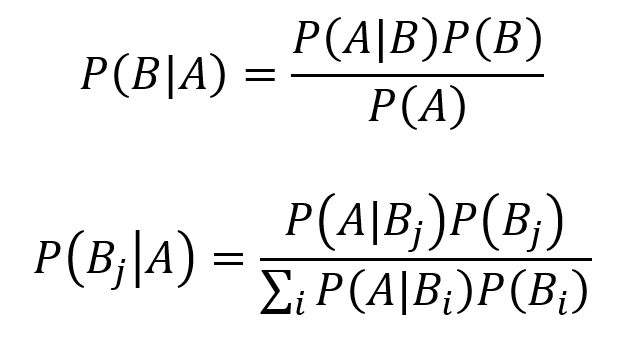


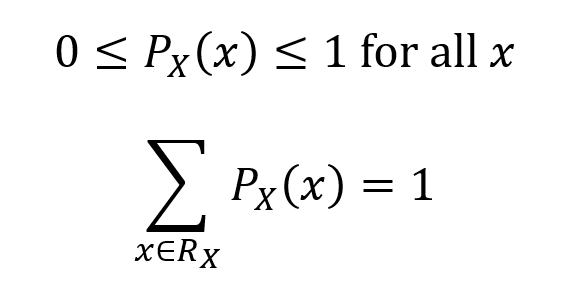





















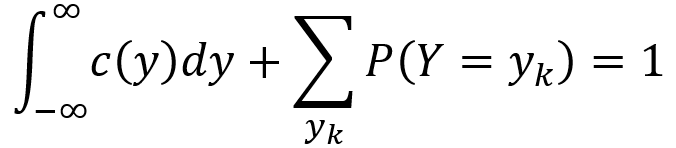


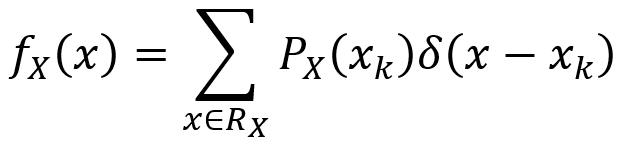



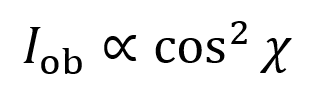
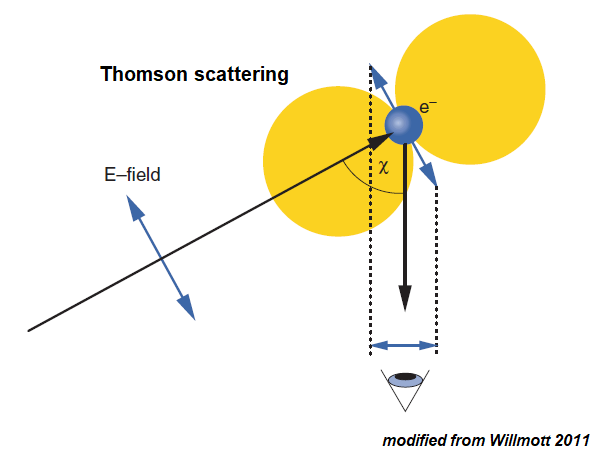


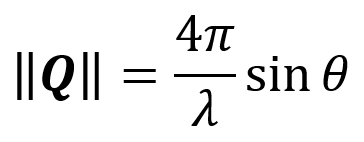



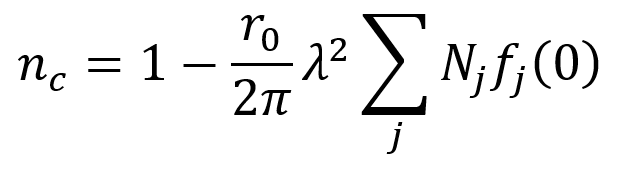










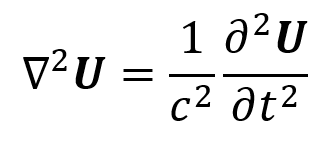


 intensity distribution. For a Gaussian beam, the amplitude decays over the direction of propagation according to some function A(z), R(z) represents the radius of curvature of the wavefront, and w(z) is the radius of the wave on the xy plane at distance z from the emitter. Often these functions can be approximated as constants.











 LoganThrasherCollins.com